
Back to all news
Harnessing AI in Medicine: Balancing Technological Innovation With Human Care
Tags:Mixed Modality
AI is set to revolutionize diagnostic imaging and personalized medicine while highlighting the enduring importance of human empathy and accessibility.
Key Details
- 1Book 'Healing with Artificial Intelligence' explores AI-driven innovations such as diagnostic imaging, surgical robots, and predictive algorithms for dementia.
- 2The global healthcare AI market is projected to grow from $11 billion in 2021 to $188 billion by 2030 (37% CAGR).
- 3AI applications include exoskeletons for spinal injuries, personalized therapies for diseases like Parkinson’s and breast cancer, and digital twin simulations for patient-specific treatment planning.
- 4Concerns are raised over the expansion of healthcare inequalities and the need for explainable AI in clinical decision making.
- 5The book stresses that AI should support, not replace, clinicians, as human skills like empathy remain irreplaceable in patient care.
Why It Matters
This article synthesizes the current and future impact of AI in diagnostic imaging and personalized medicine, providing radiology professionals with insight into both technological opportunities and humanistic considerations required for ethical AI adoption.

Source
EurekAlert
Related News
•EurekAlert
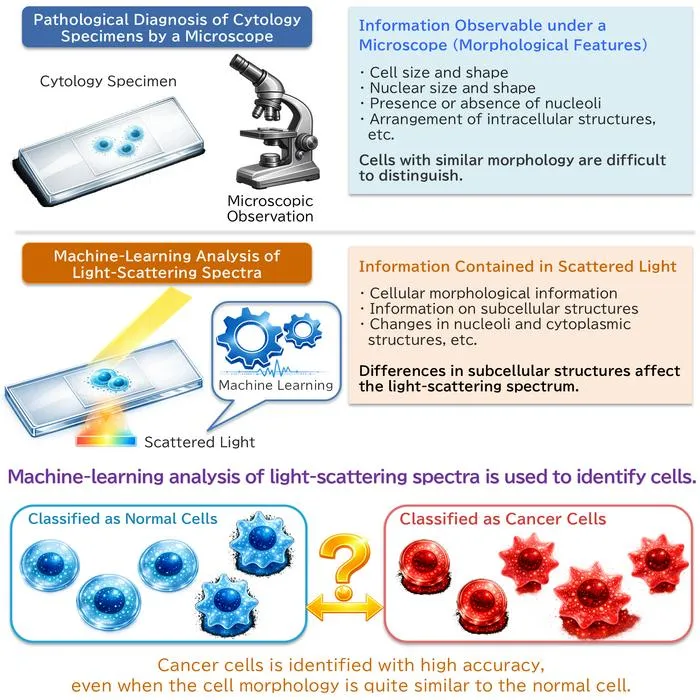
AI System Enhances Cancer Cell Detection via Light Scattering Spectra
Japanese researchers developed an AI system using light scattering spectra to improve cancer cell identification in cytology.
•EurekAlert
AI’s Potential to Expand, Not Shrink, the Clinical Workforce
AI advancements may lead to more, not fewer, healthcare jobs, challenging common fears about workforce reductions in specialties like radiology.
•EurekAlert
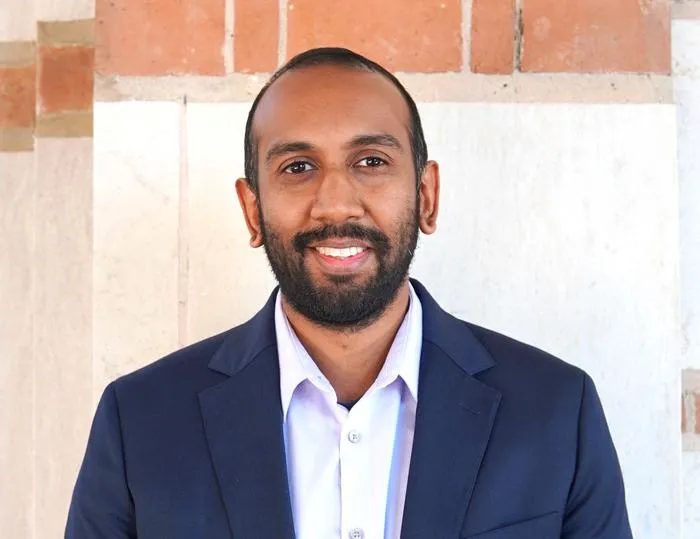
Rice University Aims to Revolutionize Imaging with Generative AI Cameras
Rice University receives NSF grant to develop AI-driven cameras that reconstruct images from minimal sensor data, promising advancements in efficient, intelligent imaging systems.