
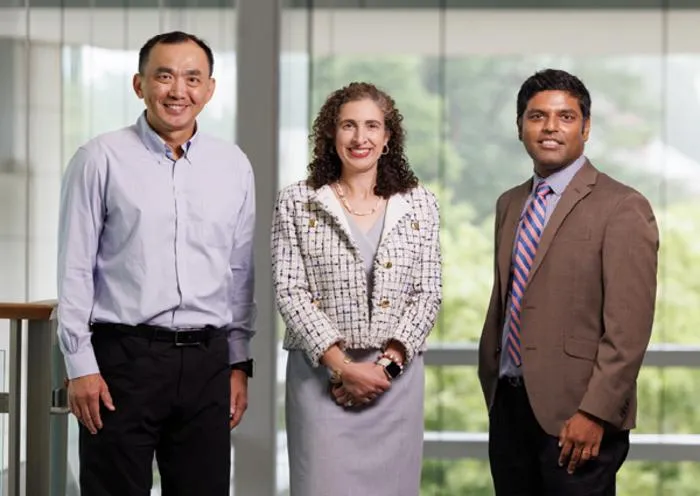
Duke University has launched a $25 million national center to make AI for aging and dementia clinically robust and trustworthy.
Key Details
- 1Duke's AITC-AIGE is one of five National Institute on Aging centers addressing trustworthy AI for dementia and aging.
- 2The center will receive nearly $25 million over five years, with about $4 million annually for nationwide research projects.
- 3At least 80% of the funds will go toward Alzheimer's and related dementias, supporting rigorous evaluation and implementation of AI tools.
- 4Duke will provide infrastructure, standardized data, and transparency resources such as model cards for AI tools.
- 5The initiative will enable more equitable access to AI development and evaluation, including to smaller research institutions and patients.
- 6The hub aims to bridge the gap from research algorithms to real-world, monitored, and effective AI tools for older adults.
Why It Matters
This collaborative center enhances the potential for validated, clinically integrated AI tools in aging care, including imaging-based algorithms. It is expected to accelerate the translation of radiology and related AI innovations into real-world healthcare settings, directly impacting how dementia and aging disorders are diagnosed and managed.

Source
EurekAlert
Related News

•EurekAlert
AI Deep Learning Model Enhances Echocardiogram RV Assessment and Prognosis
Researchers developed DROID-RV, a deep learning tool that automates right ventricular assessment from echocardiograms, showing strong prognostic links with cardiovascular outcomes.
•EurekAlert
Penn Medicine's Percival AI Detects Hidden Health Risks in CT Scans
Penn Medicine's Percival AI leverages CT scans to uncover unseen health risks and disease patterns, expanding the utility of radiological imaging.
•EurekAlert
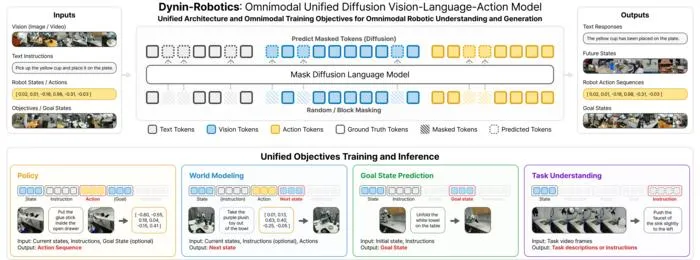
SNU Team Develops Omnimodal AI Model for Robotic Task Control, Eyes Medical Use
SNU engineers unveiled a unified AI model, Dynin-Robotics, that interprets language, predicts outcomes, and executes real-world robotic tasks with potential for medical applications.