
A Flinders University-led review found patients and carers are rarely involved in shaping generative AI tools used in oncology.
Key Details
- 1Review screened 2,441 records, only 32 studies addressed cancer patient perspectives on generative AI.
- 2Patients generally liked AI that improved health information accessibility and clarity.
- 3Most existing studies focused narrowly on information delivery, neglecting other oncology AI applications.
- 4Key engagement aspects such as safety, transparency, and equity were rarely assessed.
- 5Trust in AI tools related to personalisation, emotional appropriateness, and perceived accuracy.
- 6Researchers call for broader, deeper assessments involving patients, carers, and survivors.
Why It Matters
As generative AI expands in cancer care, integrating the perspectives of patients and carers will be crucial for designing effective, trustworthy, and ethical AI systems. This is especially relevant for imaging AI developers aiming for real-world adoption and patient-centered care.

Source
EurekAlert
Related News
•EurekAlert
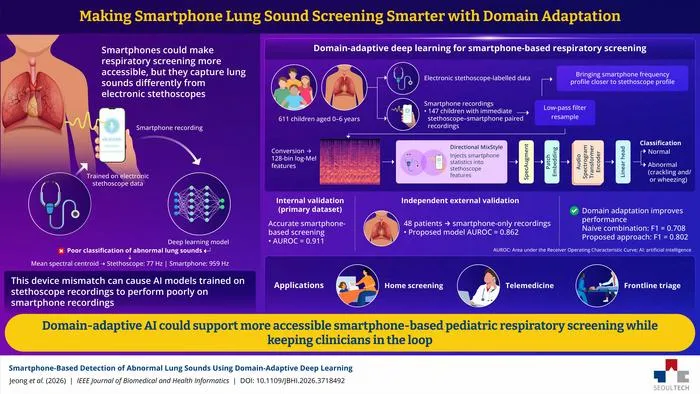
AI Framework Adapts Smartphone Audio for Pediatric Lung Sound Screening
Researchers developed a domain-adaptive deep learning model enabling smartphones to detect abnormal lung sounds in children for remote screening.

•EurekAlert
AI Tool Predicts Stroke Risk by Analyzing Genomic Data, Eyes Imaging Next
Researchers developed a transformer-based AI model to predict ischaemic stroke risk using genetic data, with plans to integrate imaging.
•EurekAlert
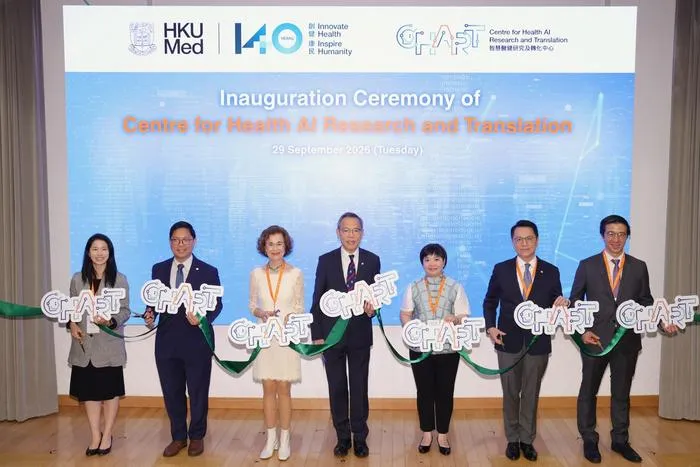
HKU Launches Centre for Health AI Research and Translation
The University of Hong Kong has established the Centre for Health AI Research and Translation (CHART) to drive trustworthy, patient-centered AI innovation in healthcare.