
Researchers developed a transformer-based AI model to predict ischaemic stroke risk using genetic data, with plans to integrate imaging.
Key Details
- 1The AI model identifies genetic risk factors for stroke, analyzing DNA and genomic data.
- 2Tested on UK Biobank and a large US dataset, the model outperformed previous tools in stroke prediction.
- 3The model identified 18 genetic variants, with the gene EDEM2 in brain cortex tissue as a key contributor.
- 4Individuals with highest genetic risk score had a 22% increased stroke risk versus low-risk group.
- 5Researchers plan a clinical trial to apply genome sequencing and multimodal AI to real patients.
- 6Future development includes integrating clinical, lifestyle, and imaging data for more precise prediction.
Why It Matters
Integrating AI analysis of genetic, clinical, and imaging data could revolutionise risk assessment, early detection, and prevention of stroke. Radiology AI professionals should note the trend towards multimodal data fusion for more personalized and actionable risk stratification.

Source
EurekAlert
Related News
•EurekAlert
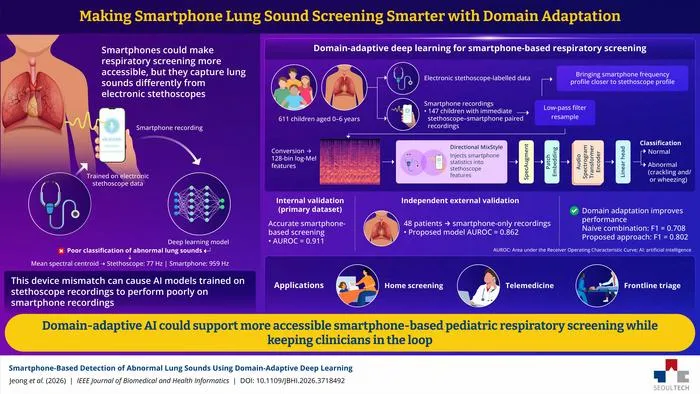
AI Framework Adapts Smartphone Audio for Pediatric Lung Sound Screening
Researchers developed a domain-adaptive deep learning model enabling smartphones to detect abnormal lung sounds in children for remote screening.
•EurekAlert
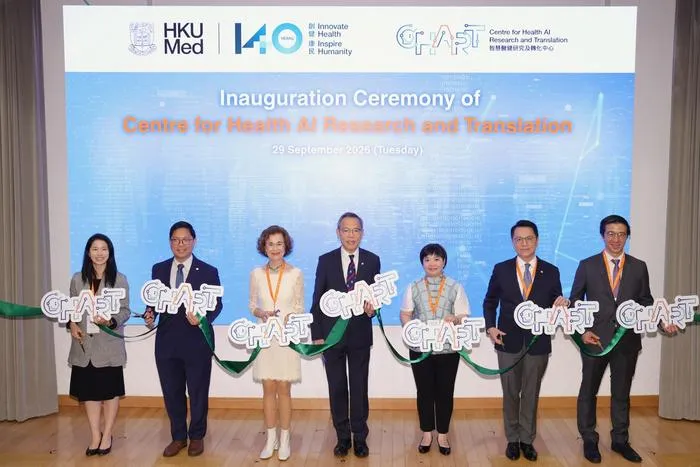
HKU Launches Centre for Health AI Research and Translation
The University of Hong Kong has established the Centre for Health AI Research and Translation (CHART) to drive trustworthy, patient-centered AI innovation in healthcare.
•EurekAlert
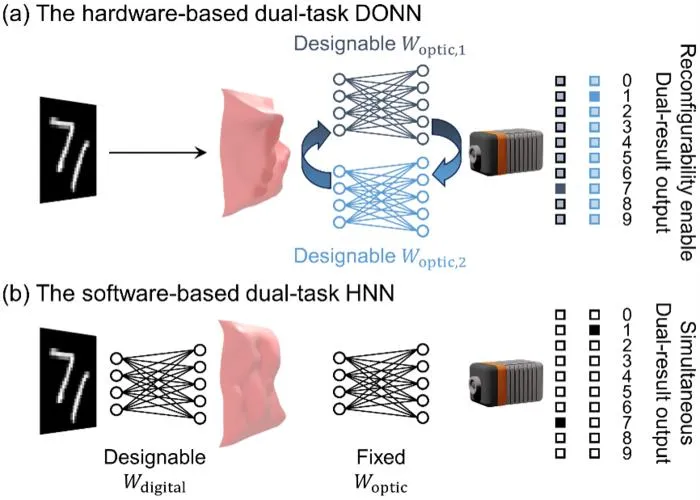
Holographic Neural Network Achieves Multi-Task AI via Light-Based Computing
Researchers have developed a holographic neural network using optics to perform multiple AI classification tasks simultaneously without hardware reconfiguration.