
Generative AI may undermine critical thinking skills and reinforce bias in new doctors, warns BMJ editorial.
Key Details
- 1BMJ Evidence Based Medicine editorial highlights dangers of overreliance on generative AI in medical education.
- 2Risks include automation bias, cognitive off-loading, deskilling, reinforcement of biases, hallucinations, and data privacy breaches.
- 3Authors recommend grading medical students on process, not just outcomes, and using in-person assessments to ensure skill development.
- 4Suggests AI literacy and competency should be incorporated into medical curricula.
- 5Calls for updated regulatory and educational guidance from professional societies and regulators.
Why It Matters
Medical imaging professionals, including radiologists, are increasingly exposed to AI tools; understanding these risks is crucial to maintaining critical skills and ensuring equitable, safe patient care. The recommendations are relevant to shaping future radiology training and competency standards as AI integration accelerates.

Source
EurekAlert
Related News

•EurekAlert
Pediatricians Receive AAP Guidance for Safe Use of Generative AI
The American Academy of Pediatrics has issued recommendations to ensure the safe, equitable, and effective use of generative artificial intelligence in pediatric clinical care.

•EurekAlert
Legal Gaps in Explaining AI Decisions to Patients in Imaging
A JMIR article examines the disconnect between AI legal requirements and actual patient comprehension in medical imaging and diagnostics.
•EurekAlert
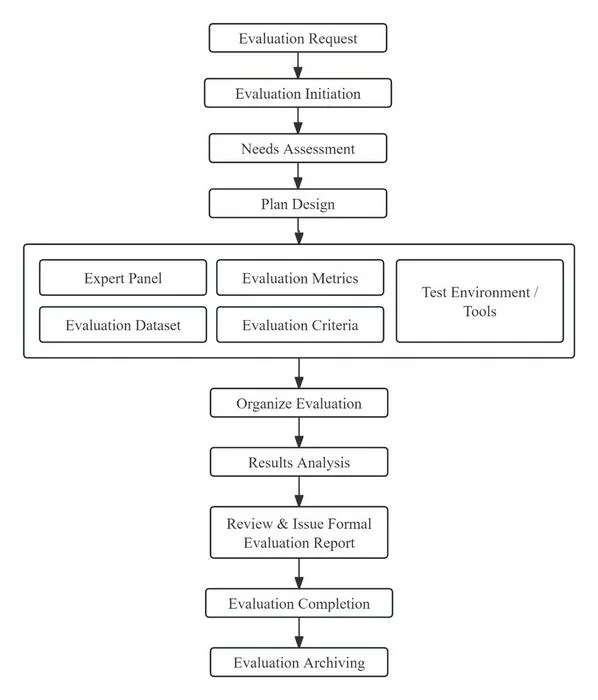
Expert Consensus Sets Standardized Evaluation for Clinical Large Language Models
An expert consensus provides a robust, evidence-based framework for retrospective evaluation of large language models in healthcare.