
Back to all news
AI Model Enhances Prediction of Infection Risks from Oral Mucositis in Stem Cell Transplant Patients
Researchers developed an explainable AI tool that accurately predicts infection risks related to oral mucositis in hematopoietic stem cell transplant patients.
Key Details
- 1Patients with oral mucositis after HSCT are almost 4x more likely to develop serious infections.
- 2A new AI-driven nomogram using demographic and clinical features shows superior predictive accuracy versus traditional models.
- 3Explainable AI provided clinicians with rationale for predictions, enabling targeted preventive care.
- 4Meta-analysis identified high-risk groups and specific risk factors such as chemotherapy types, age, and kidney issues.
- 5Researchers are working towards broad clinical adoption, including validation for other adverse events in cancer therapy.
- 6Findings were recently published in the journal Cancers and presented at MASCC 2025.
Why It Matters
This work leverages advanced AI to proactively identify high-risk cancer patients, supporting multidisciplinary care and personalizing preventive strategies. Enhanced prediction of adverse events can improve outcomes, reduce complications, and optimize resource use in cancer therapy.

Source
EurekAlert
Related News
•EurekAlert
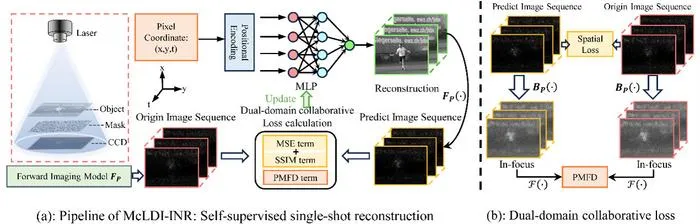
Deep Learning Enables Single-Shot High-Resolution Lensless Dynamic Imaging
Researchers from NJU and PKU have developed a lensless imaging method using deep learning that reconstructs high-fidelity dynamic images from single shots.
•EurekAlert
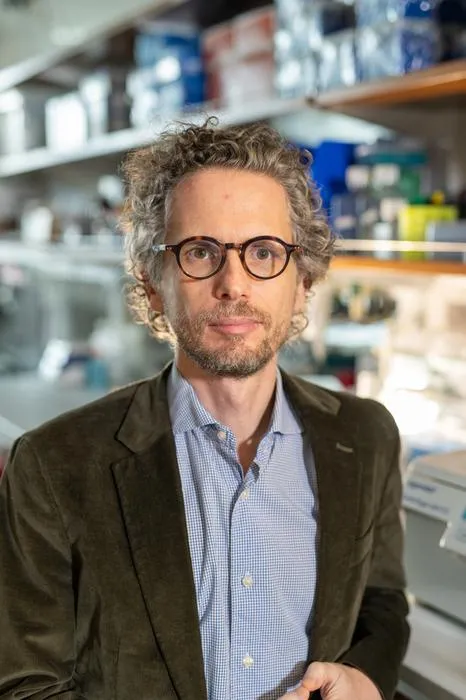
Weill Cornell Launches AI and Data Science Biomedicine Department Led by Dr. Dan Landau
Weill Cornell Medicine establishes a new Department of Systems and Computational Biomedicine, appointing Dr. Dan Landau as its first chair to drive AI-powered biomedical innovation.
•EurekAlert
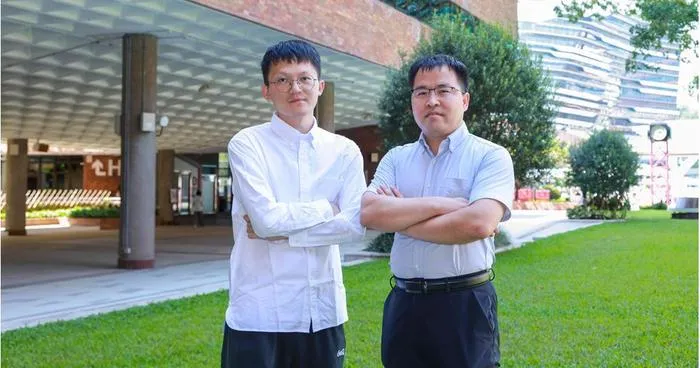
TRUECAM AI Framework Boosts Reliability in Cancer Pathology Imaging
PolyU researchers introduce the TRUECAM AI framework to enhance the trustworthiness of pathology AI for cancer diagnosis.