
An AI model integrating ECG data and blood biomarkers predicts heart transplant rejection with high specificity, reducing the need for invasive biopsies.
Key Details
- 1NYU Langone researchers trained AI on 5,300 ECGs from 2,357 adult heart transplant recipients.
- 2The combined model used ECG data and blood biomarker results to flag rejection risk.
- 3In a test group, the combined model correctly identified 94% of patients without rejection, outperforming models that used only blood tests.
- 4The integrated approach would have spared multiple patients from unnecessary biopsies.
- 5Study spanned data from 2018–2024; results published September 25, 2026, in the Journal of Heart and Lung Transplantation.
- 6Researchers plan to test the model across more transplant centers.
Why It Matters
This approach could significantly reduce the number of unnecessary heart biopsies, improving patient safety and comfort. The research highlights the expanding potential of AI to integrate multimodal data for advanced, noninvasive diagnostic support in cardiology and transplant medicine.

Source
EurekAlert
Related News

•EurekAlert
NIH Grant Funds AI Tool for Lung Cancer Discovery at Weill Cornell
Dr. Olivier Elemento receives an NIH Pioneer Award to develop an AI-human hybrid platform for cancer research, initially focusing on lung cancer using imaging and tissue data.

•EurekAlert
Study Shows AI Vision Misses Human-Like Perceptual Illusions
A York University study finds that AI vision systems lack the human-like perceptual shifts seen in biological vision during visual illusions.
•EurekAlert
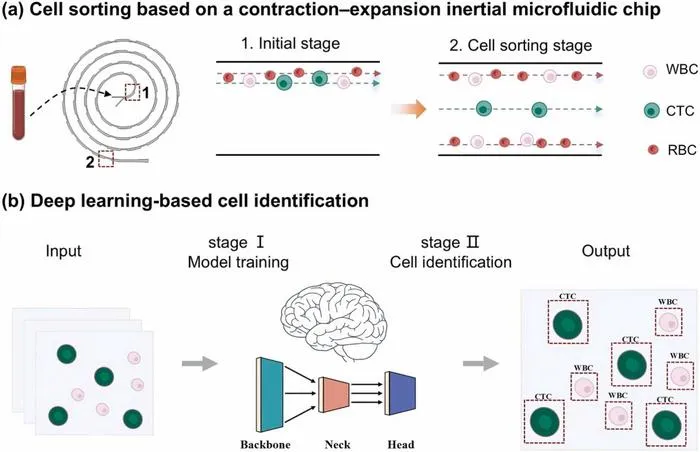
AI-Enhanced Microfluidic Chip Enables Label-Free Detection of Circulating Tumor Cells
Researchers developed a microfluidic chip and AI system that accurately isolates and identifies rare circulating tumor cells (CTCs) from blood without fluorescent labeling.