
Researchers developed a deep learning algorithm (DystoniaDBSNet) that uses MRI scans to predict which dystonia patients will benefit from deep brain stimulation (DBS) surgery.
Key Details
- 1DystoniaDBSNet is a deep learning tool that analyzes pre-operative brain MRI to predict DBS treatment outcomes in dystonia patients.
- 2The algorithm achieved 95.5% predictive accuracy and provides results in under a minute per patient.
- 3It was validated using an international, multicenter dataset from leading DBS centers.
- 4DystoniaDBSNet identifies specific brain patterns associated with successful DBS treatment response.
- 5The approach can help clinicians better select DBS candidates and may facilitate broader access to surgery for suitable patients.
- 6Funding for the study came from the NIH and Amazon Web Services; findings were published in npj Digital Medicine (DOI: 10.1038/s41746-026-03235-8).
Why It Matters
This work advances precision medicine in neurology by providing clinicians with an objective imaging biomarker to guide patient selection for invasive DBS procedures. It demonstrates practical and scalable use of AI in radiology to influence treatment decisions and improve patient outcomes.

Source
EurekAlert
Related News
•EurekAlert
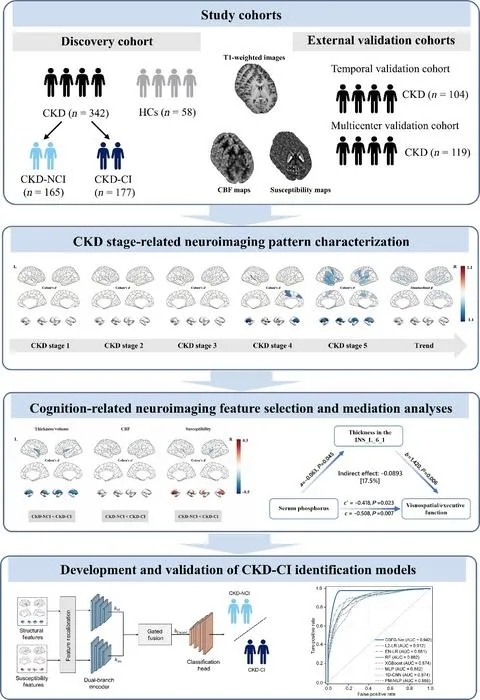
Deep Learning and MRI Identify Cognitive Impairment in CKD Patients
Researchers used multimodal MRI and a novel deep learning model to identify cognitive impairment in chronic kidney disease patients with strong validation.
•EurekAlert
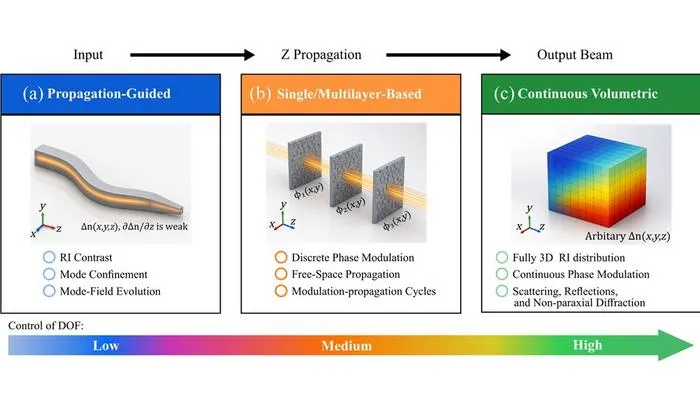
Advances in 3D-Printed Devices for Structured-Light Imaging
Researchers review femtosecond laser 3D microfabrication for integrated structured-light optical devices.

•EurekAlert
HKU Unveils X-ray Telescope and AI Innovations at InnoCarnival 2026
Hong Kong University showcases an X-ray telescope and AI-powered health technologies at InnoCarnival 2026.