
Back to all news
AI-Enabled Medicare Prior Authorization Pilot Cuts Targeted Treatments by 15-20%
Tags:Policy
A new Medicare pilot leveraging AI for prior authorization led to a rapid 15-20% decline in targeted medical services in its first six months.
Key Details
- 1The federal WISeR pilot began in January 2026, requiring prior authorization for 41 services in six states (AZ, NJ, OH, OK, TX, WA).
- 2The program utilizes AI to help review requests for treatments.
- 3Epidural steroid injections in pilot states dropped 15% compared to expectations; other targeted services fell by nearly 20%.
- 4Declines were most pronounced in the first three months; reductions lessened in the subsequent three months.
- 5Uncertainty remains about whether reduced services were inappropriate or necessary; further research is needed.
Why It Matters
This pilot signals a significant policy shift, introducing AI-based utilization management into traditional Medicare. Its outcomes may reshape how radiology and imaging professionals navigate care approvals, affecting workload and patient access nationwide.

Source
EurekAlert
Related News

•EurekAlert
Pediatricians Receive AAP Guidance for Safe Use of Generative AI
The American Academy of Pediatrics has issued recommendations to ensure the safe, equitable, and effective use of generative artificial intelligence in pediatric clinical care.

•EurekAlert
Legal Gaps in Explaining AI Decisions to Patients in Imaging
A JMIR article examines the disconnect between AI legal requirements and actual patient comprehension in medical imaging and diagnostics.
•EurekAlert
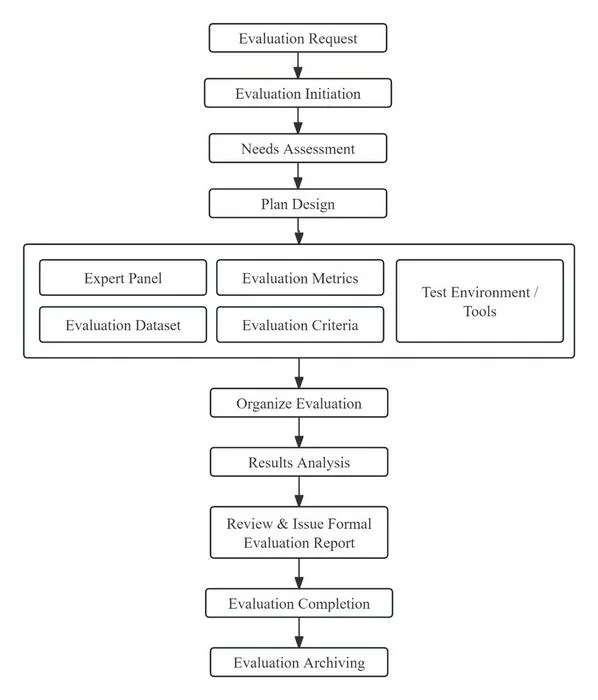
Expert Consensus Sets Standardized Evaluation for Clinical Large Language Models
An expert consensus provides a robust, evidence-based framework for retrospective evaluation of large language models in healthcare.