
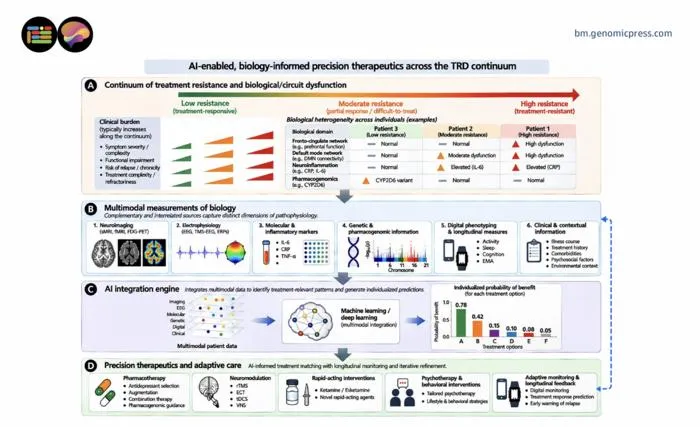
A new review highlights AI's promise and current limitations in integrating neuroimaging, EEG, and biological data to improve clinical management of treatment-resistant depression.
Key Details
- 1The review synthesizes evidence from neuroimaging (MRI, PET), EEG, genetics, and clinical staging in depression treatment response.
- 2No single biomarker reliably predicts antidepressant treatment outcome in routine care; most evidence thus far is retrospective.
- 3AI models integrating multimodal data have shown only modest accuracy (AUCs ~0.65; up to ~83%-89% in small retrospective EEG studies) and have not improved outcomes beyond best-practice care in prospective trials.
- 4Larger, harmonized, and more diverse datasets are needed; most prospective trials with multimodal, biology-guided AI models are still lacking.
- 5The review underscores the importance of moving beyond a simple 'two failed antidepressants' threshold to a continuum approach for precision therapeutics.
- 6Journal reference: Brain Medicine, 24 Nov 2026, DOI: 10.61373/bm026i.0072.
Why It Matters
The review demonstrates both the promise and pressing gaps in using imaging AI for personalized psychiatry, paralleling ongoing efforts in radiology. Rigorous, prospective studies remain critically needed to validate AI models and translate imaging-driven decision-making into improved patient outcomes.

Source
EurekAlert
Related News

•EurekAlert
UC Irvine Unveils AI-Physics Technique to Reconstruct Blood Flow from Imaging Data
UC Irvine researchers developed a physics-guided AI method to more accurately reconstruct cardiovascular fluid flow from imaging data that is sparse or noisy.
•EurekAlert
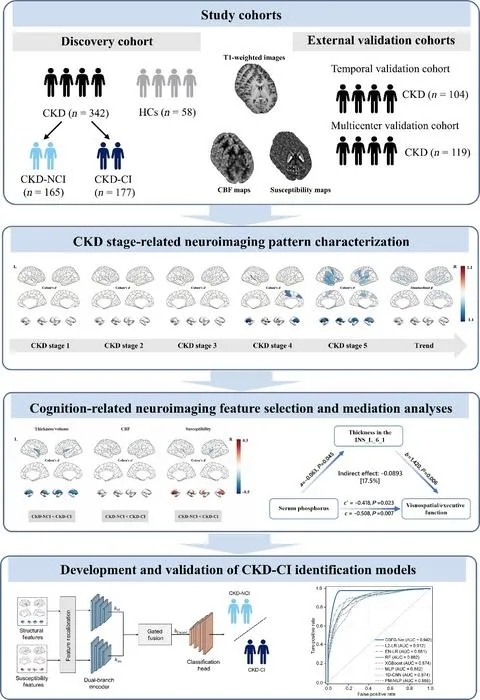
Deep Learning and MRI Identify Cognitive Impairment in CKD Patients
Researchers used multimodal MRI and a novel deep learning model to identify cognitive impairment in chronic kidney disease patients with strong validation.
•EurekAlert
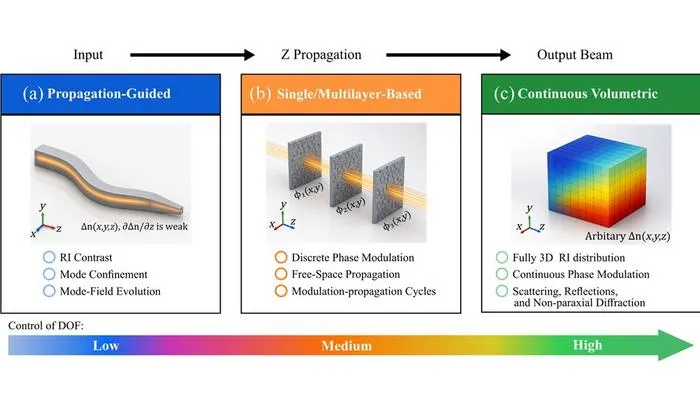
Advances in 3D-Printed Devices for Structured-Light Imaging
Researchers review femtosecond laser 3D microfabrication for integrated structured-light optical devices.