
A zero-cost, EHR-integrated AI tool significantly boosts dementia detection in primary care clinics without adding clinician workload.
Key Details
- 1AI tool analyzes EHRs using NLP to identify dementia risk markers.
- 2Combined with a brief patient survey (QDRS), detection rates increased by 31% over standard care in a >5,000 patient RCT.
- 3Led to a 41% increase in follow-up diagnostic assessments (e.g., neuroimaging, cognitive testing).
- 4No additional physician time or licensing fee; open-source, deployable within any EHR system with proper staffing.
- 5Trial conducted at 9 U.S. health centers and results published in JAMA Network Open.
Why It Matters
Demonstrates how scalable, passive digital diagnostics can integrate with standard practice, improving early dementia detection and increasing equitable access, especially with no extra clinician time or cost. While not imaging-based, the approach underlines the growing convergence between AI, digital health records, and automated disease screening relevant to radiology-AI professionals.

Source
EurekAlert
Related News
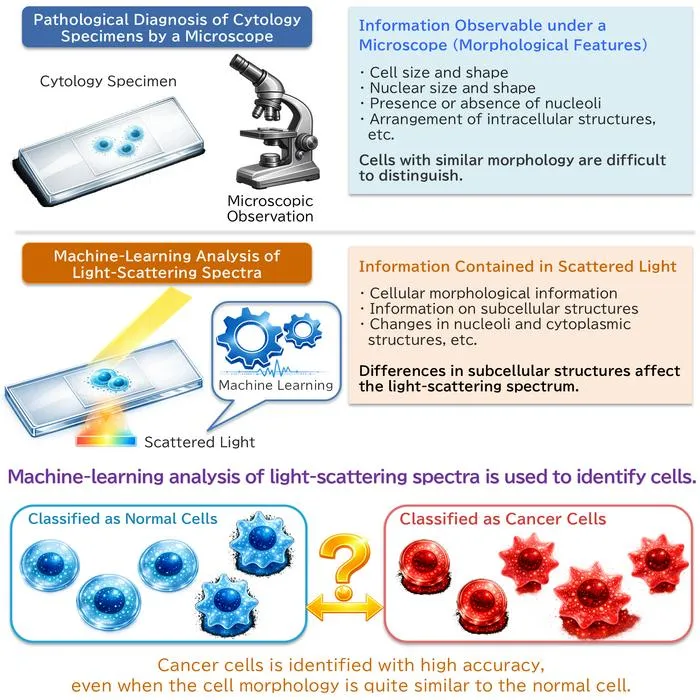
•EurekAlert
AI System Enhances Cancer Cell Detection via Light Scattering Spectra
Japanese researchers developed an AI system using light scattering spectra to improve cancer cell identification in cytology.
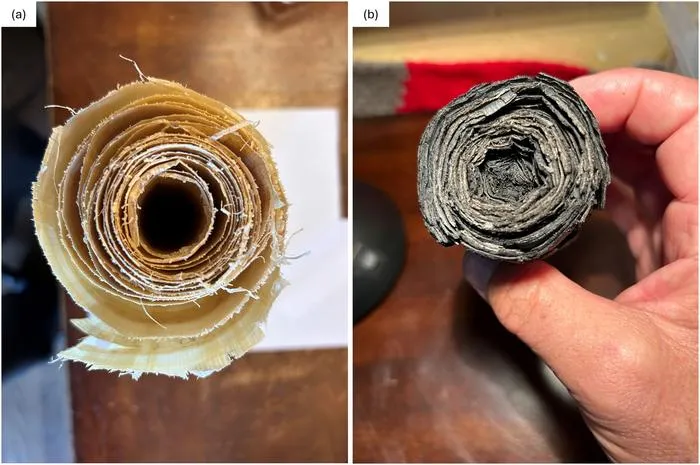
•EurekAlert
AI and X-ray Imaging Reveal Lost Texts in Ancient Roman Scrolls
AI and x-ray technology enable scientists to virtually read previously unreadable, carbonized Roman scrolls from Herculaneum.

•EurekAlert
NYU AI Model Improves 5-Year Breast Cancer Risk Prediction via 3D Mammograms
NYU researchers developed an AI model using longitudinal 3D mammograms that outperforms single-scan and 2D-based tools in predicting 5-year breast cancer risk.