
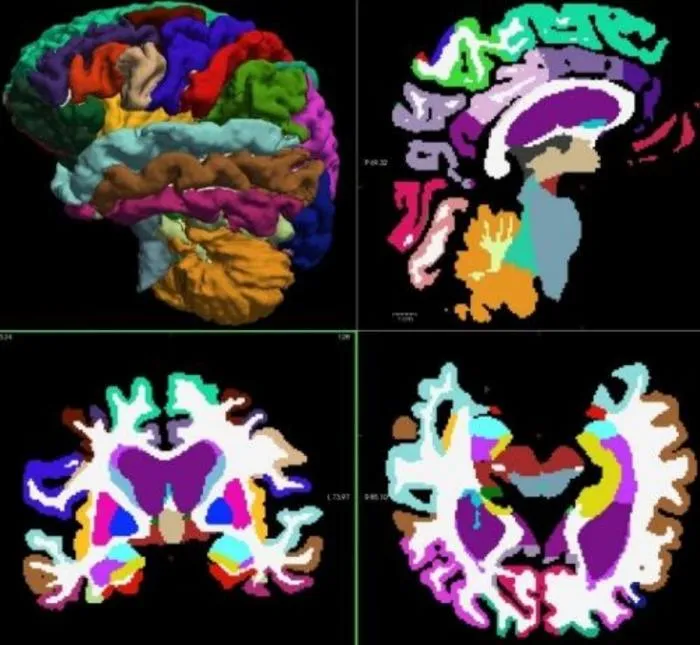
Worcester Polytechnic Institute developed a machine learning tool using MRI scans to predict Alzheimer’s disease with nearly 93% accuracy, uncovering significant age and sex differences in brain atrophy patterns.
Key Details
- 1Researchers used machine learning to analyze 815 MRI scans from the Alzheimer’s Disease Neuroimaging Initiative.
- 2The algorithm achieved 92.87% accuracy distinguishing Alzheimer’s from normal and mild cognitive impairment cases.
- 3Volume loss in the hippocampus, amygdala, and entorhinal cortex were top predictive features.
- 4Key anatomical differences in brain atrophy patterns were found across age and sex groups.
- 5Findings published in Neuroscience, with ongoing research integrating deep learning and risk factors like diabetes.
Why It Matters
Early, accurate detection of Alzheimer’s disease with AI-powered MRI analysis could significantly improve diagnosis and personalized care. This research highlights the expanding role of AI in neuroimaging and personalized medicine in radiology.

Source
EurekAlert
Related News
•EurekAlert
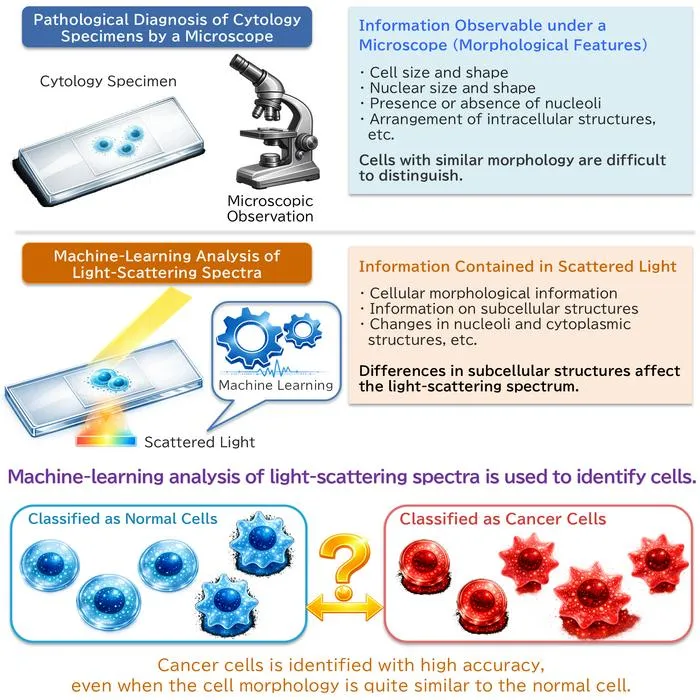
AI System Enhances Cancer Cell Detection via Light Scattering Spectra
Japanese researchers developed an AI system using light scattering spectra to improve cancer cell identification in cytology.
•EurekAlert
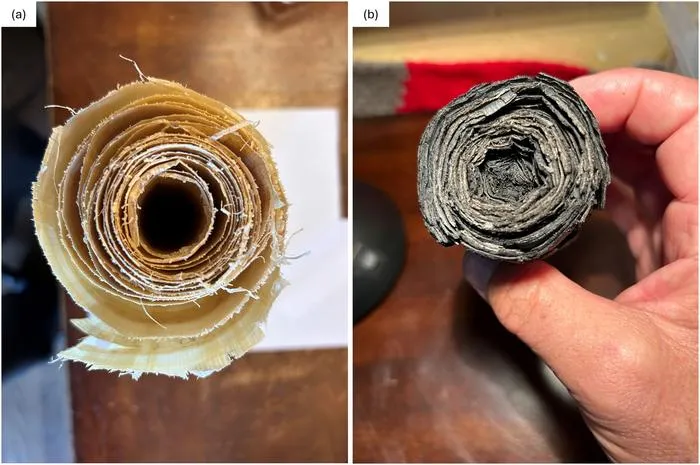
AI and X-ray Imaging Reveal Lost Texts in Ancient Roman Scrolls
AI and x-ray technology enable scientists to virtually read previously unreadable, carbonized Roman scrolls from Herculaneum.

•EurekAlert
AI’s Potential to Expand, Not Shrink, the Clinical Workforce
AI advancements may lead to more, not fewer, healthcare jobs, challenging common fears about workforce reductions in specialties like radiology.