
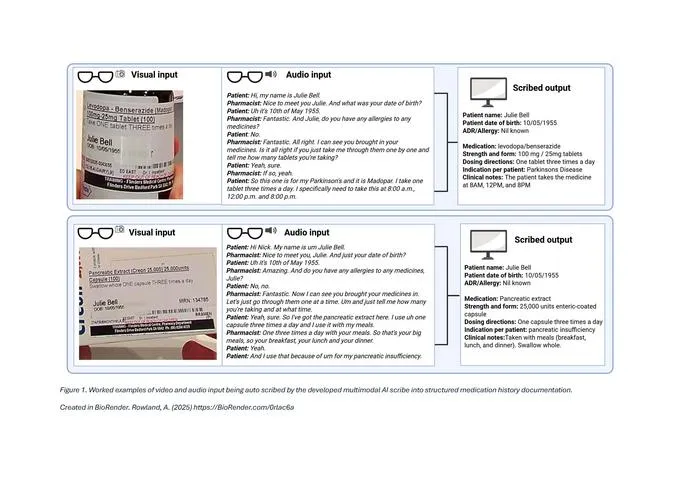
A Flinders University study finds that vision-enabled AI scribes using video and audio dramatically improve documentation accuracy in medication history interviews.
Key Details
- 1The study combined Google's Gemini model with Ray-Ban Meta smart glasses to create a vision-enabled AI scribe.
- 2In pharmacist-patient medication history simulations, the AI scribe achieved 98% documentation accuracy with video and audio, versus 81% for audio-only.
- 3Capture of critical medication strength and form details rose to 97% with video input, compared to 28% with audio alone.
- 4110 mock interviews involving 10 pharmacists and over 100 medication types were recorded for analysis.
- 5Researchers emphasized the need for clinician review, privacy and data security, and cautious governance before broader adoption.
- 6Published (pre-print) in npj Digital Medicine, study highlights potential improvements in clinical workflow and patient safety.
Why It Matters
Structured, accurate clinical data capture is essential for quality care and reducing administrative burden—a priority in radiology and other specialties. Vision-enabled AI scribes may set the stage for broader adoption of multimodal AI systems that could also benefit radiological documentation and reporting workflows.

Source
EurekAlert
Related News
•EurekAlert
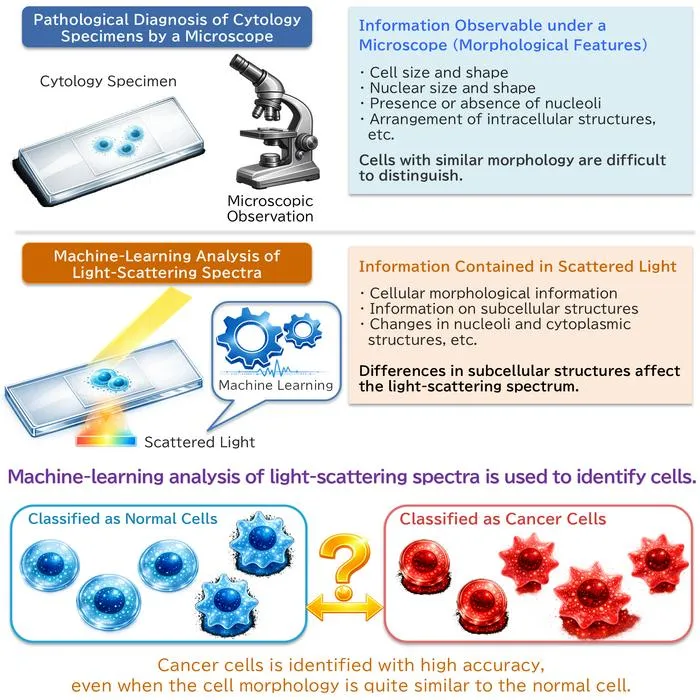
AI System Enhances Cancer Cell Detection via Light Scattering Spectra
Japanese researchers developed an AI system using light scattering spectra to improve cancer cell identification in cytology.
•EurekAlert
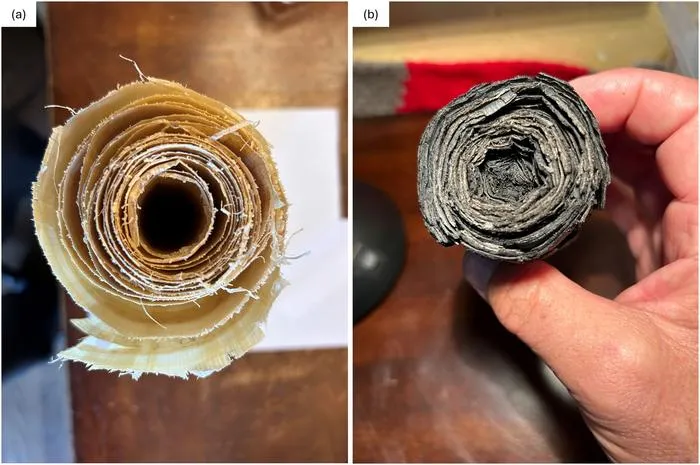
AI and X-ray Imaging Reveal Lost Texts in Ancient Roman Scrolls
AI and x-ray technology enable scientists to virtually read previously unreadable, carbonized Roman scrolls from Herculaneum.

•EurekAlert
AI’s Potential to Expand, Not Shrink, the Clinical Workforce
AI advancements may lead to more, not fewer, healthcare jobs, challenging common fears about workforce reductions in specialties like radiology.