
Researchers develop a machine learning method to reveal self-harm history hidden in veterans' electronic medical records.
Key Details
- 1Study analyzed over 1.3 million Veterans Health Administration patients' electronic records.
- 2Diagnosis codes identified only 1.85% with self-harm history; machine learning estimates true rate at 7.9%.
- 3The PULSNAR algorithm addressed missing or incomplete coding of self-harm in standard record fields.
- 4Problem lists captured self-harm for just 22.6% of those with relevant diagnosis codes.
- 5Findings show a substantial gap in the visibility of clinically important mental health history.
- 6This method is currently a research tool and not yet ready for direct clinical deployment.
Why It Matters
Uncovering hidden self-harm history in health records can significantly improve mental health care planning and research. For radiology-AI and broader medical AI communities, these advances in handling undercoded conditions demonstrate how informatics tools can support more accurate predictive models and population health analytics.

Source
EurekAlert
Related News
•EurekAlert
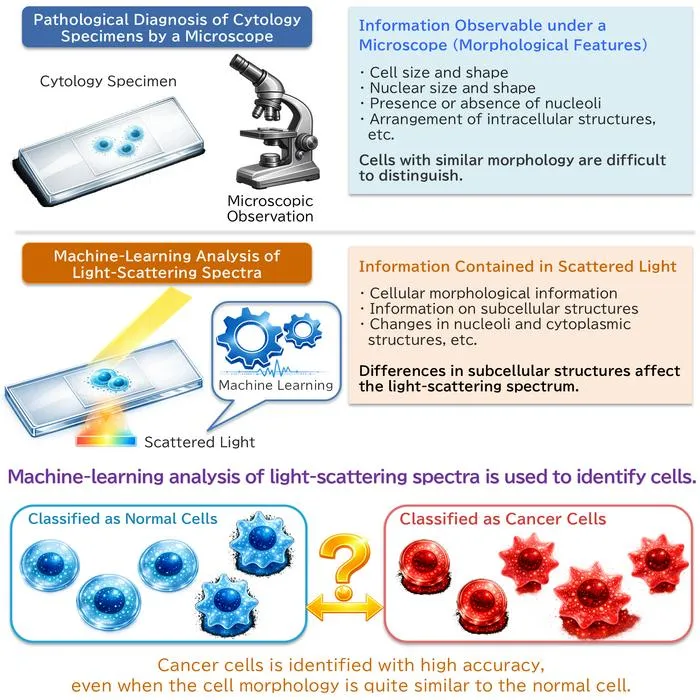
AI System Enhances Cancer Cell Detection via Light Scattering Spectra
Japanese researchers developed an AI system using light scattering spectra to improve cancer cell identification in cytology.
•EurekAlert
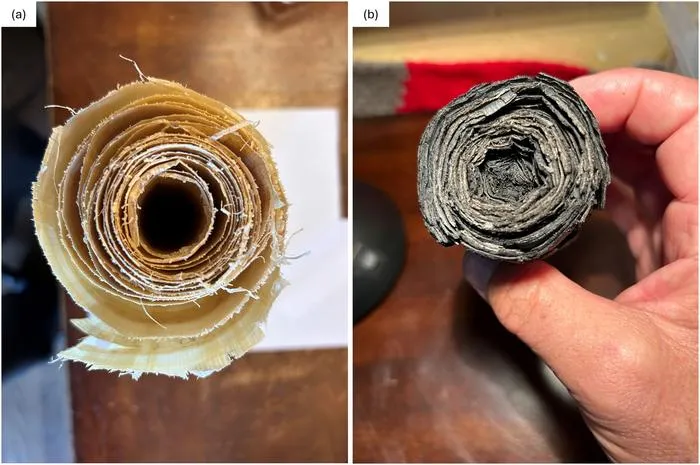
AI and X-ray Imaging Reveal Lost Texts in Ancient Roman Scrolls
AI and x-ray technology enable scientists to virtually read previously unreadable, carbonized Roman scrolls from Herculaneum.

•EurekAlert
AI’s Potential to Expand, Not Shrink, the Clinical Workforce
AI advancements may lead to more, not fewer, healthcare jobs, challenging common fears about workforce reductions in specialties like radiology.