
UC San Diego researchers have developed AI-powered virtual cell models using 4D imaging to predict cellular responses to drugs, potentially expediting drug development.
Key Details
- 1Researchers used 4D lattice light-sheet microscopy to image mitochondria in cells treated with 25 drugs, generating 40,000 single-cell movies.
- 2A deep learning model, MitoSpace, was trained on this dataset to autonomously group cell responses and predict energetic cell states based solely on mitochondrial shapes.
- 3MitoSpace achieved 75% accuracy in grouping drug mechanisms using 4D data, versus 56% with 2D images.
- 4A separate physics-based digital twin of a cell replicated mitochondrial behaviors observed in real 4D microscopy data, including drug effects.
- 5The combined approach may dramatically reduce lab experiments, increasing efficiency for research in cancer, Alzheimer’s, diabetes, and rare diseases.
- 6UC San Diego has filed patents and started a company based on this technology.
Why It Matters
This innovation bridges advanced imaging, AI pattern recognition, and dynamic modeling, offering a template for future research in imaging-based AI and personalized medicine. Applying these virtual models could lead to faster, less resource-intensive evaluation of drug effects and disease mechanisms, crucial for translational radiology and biomedical imaging communities.

Source
EurekAlert
Related News

•EurekAlert
RADAR AI Sets New Standard in Abdominal CT Diagnosis
The RADAR vision-language AI model shows expert-level diagnostic ability for abdominal CT across multiple diseases and clinical settings.
•EurekAlert
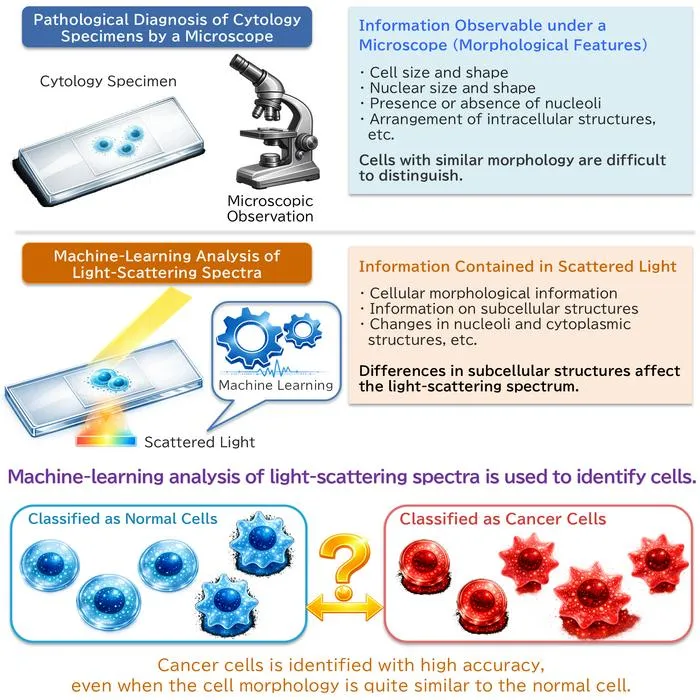
AI System Enhances Cancer Cell Detection via Light Scattering Spectra
Japanese researchers developed an AI system using light scattering spectra to improve cancer cell identification in cytology.
•EurekAlert
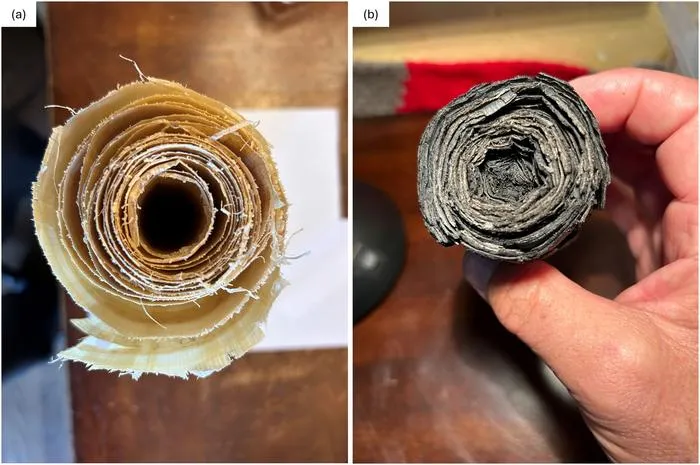
AI and X-ray Imaging Reveal Lost Texts in Ancient Roman Scrolls
AI and x-ray technology enable scientists to virtually read previously unreadable, carbonized Roman scrolls from Herculaneum.