
Researchers at UCLA have developed an optical generative AI model that creates images using minimal energy and computational steps.
Key Details
- 1UCLA Samueli School of Engineering introduces a photonics-based generative AI system.
- 2The optical approach generates images in a single step, compared to hundreds or thousands for digital models.
- 3Experimental and numerical tests showed high-quality image generation on datasets including human faces and Van Gogh-inspired artwork.
- 4The system incorporates a physical key-lock mechanism for enhanced image security and privacy.
- 5Potential applications identified: biomedical imaging, diagnostics, augmented/virtual reality, and portable/wearable devices.
- 6The approach significantly lowers energy and water consumption compared to conventional generative AI.
Why It Matters
This breakthrough may enable sustainable, fast, and secure generative AI with applications in medical imaging, diagnostics, and beyond. Its reduced resource requirements are particularly relevant as the environmental impact of AI computing grows.

Source
EurekAlert
Related News
•EurekAlert
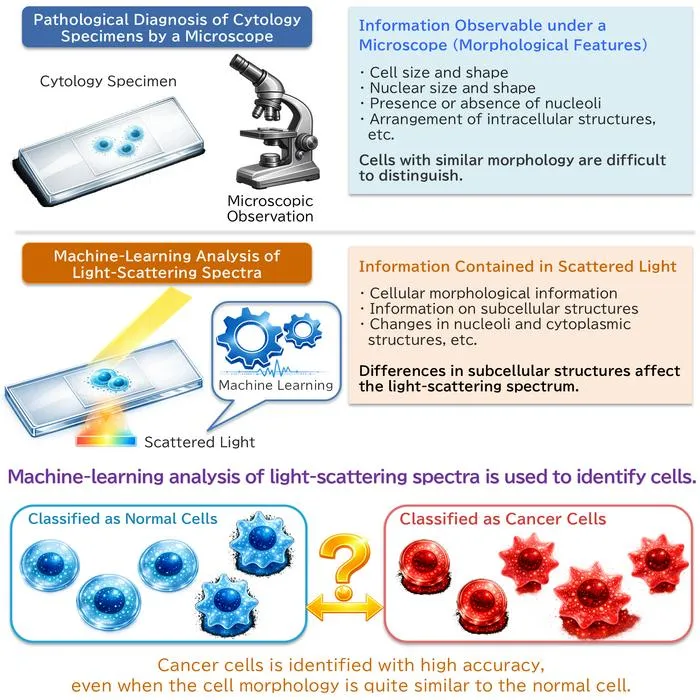
AI System Enhances Cancer Cell Detection via Light Scattering Spectra
Japanese researchers developed an AI system using light scattering spectra to improve cancer cell identification in cytology.
•EurekAlert
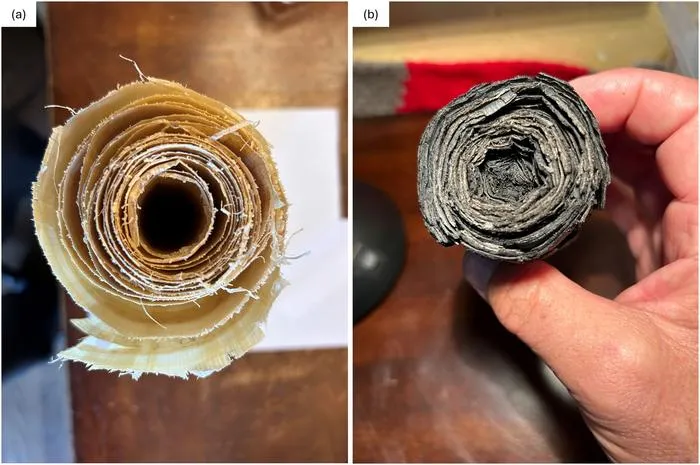
AI and X-ray Imaging Reveal Lost Texts in Ancient Roman Scrolls
AI and x-ray technology enable scientists to virtually read previously unreadable, carbonized Roman scrolls from Herculaneum.

•EurekAlert
AI’s Potential to Expand, Not Shrink, the Clinical Workforce
AI advancements may lead to more, not fewer, healthcare jobs, challenging common fears about workforce reductions in specialties like radiology.