
Most people trust doctors more than AI for health diagnoses, but see significant potential for AI tools in cancer detection.
Key Details
- 1Two nationally representative surveys gauged public attitudes toward AI in healthcare, focusing on cancer diagnosis.
- 2Only about 17% of respondents trust AI as much as human experts for diagnosing health problems.
- 3Individuals familiar with AI (e.g., ChatGPT users) reported higher trust and excitement regarding medical AI.
- 4AI tools for detecting early signs of cancer, like automated cervical image evaluation, were viewed positively, garnering high marks for potential and excitement.
- 5Men and those with a college education showed more trust and less fear towards medical AI applications.
Why It Matters
Understanding public acceptance and trust in imaging AI helps guide responsible deployment and communication of radiology AI solutions, especially for cancer diagnostics. Educating patients about specific, real-world applications appears to boost trust, which could accelerate the adoption of AI tools in clinical practice.

Source
EurekAlert
Related News
•EurekAlert
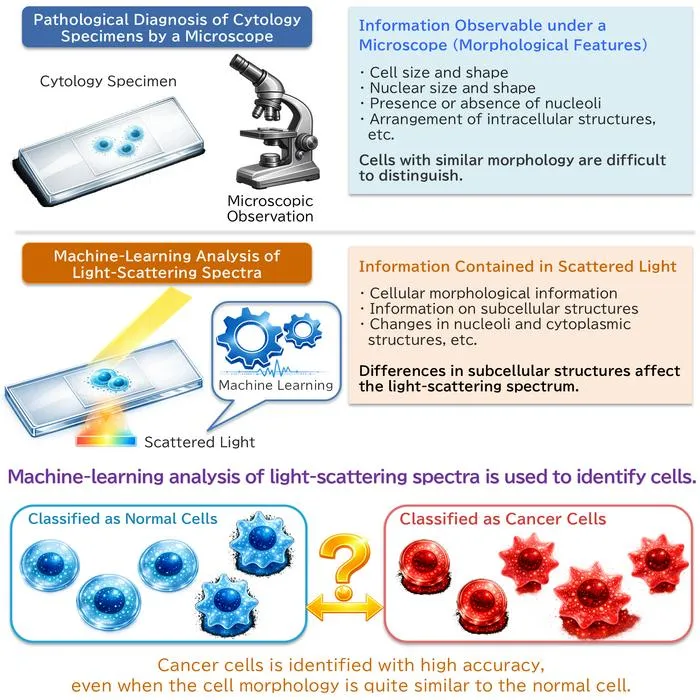
AI System Enhances Cancer Cell Detection via Light Scattering Spectra
Japanese researchers developed an AI system using light scattering spectra to improve cancer cell identification in cytology.
•EurekAlert
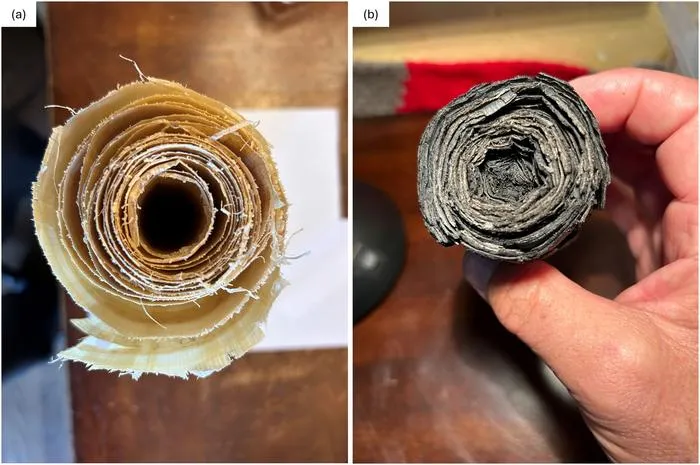
AI and X-ray Imaging Reveal Lost Texts in Ancient Roman Scrolls
AI and x-ray technology enable scientists to virtually read previously unreadable, carbonized Roman scrolls from Herculaneum.
•EurekAlert
AI’s Potential to Expand, Not Shrink, the Clinical Workforce
AI advancements may lead to more, not fewer, healthcare jobs, challenging common fears about workforce reductions in specialties like radiology.