
Evaluating both AI algorithms and human users is key for safe adoption in high-stakes healthcare settings, according to an Ohio State study.
Key Details
- 1Researchers studied 462 nursing students and professionals using AI-assisted patient monitoring simulations.
- 2Accurate AI predictions improved decision making by up to 60%, but inaccurate AI caused over a 100% drop in correct decisions.
- 3Explanations and supporting data had minimal impact; participants were highly influenced by AI predictions.
- 4The study calls for simultaneous evaluation of both algorithms and clinical users in safety-critical settings.
- 5Findings appear in npj Digital Medicine (DOI: 10.1038/s41746-025-01784-y).
Why It Matters
This work highlights the risks of over-reliance on AI in clinical workflows and underscores the necessity for robust, joint evaluation protocols in radiology and other safety-critical healthcare applications, ensuring that human-AI teams can handle both good and poor system performance.

Source
EurekAlert
Related News
•EurekAlert
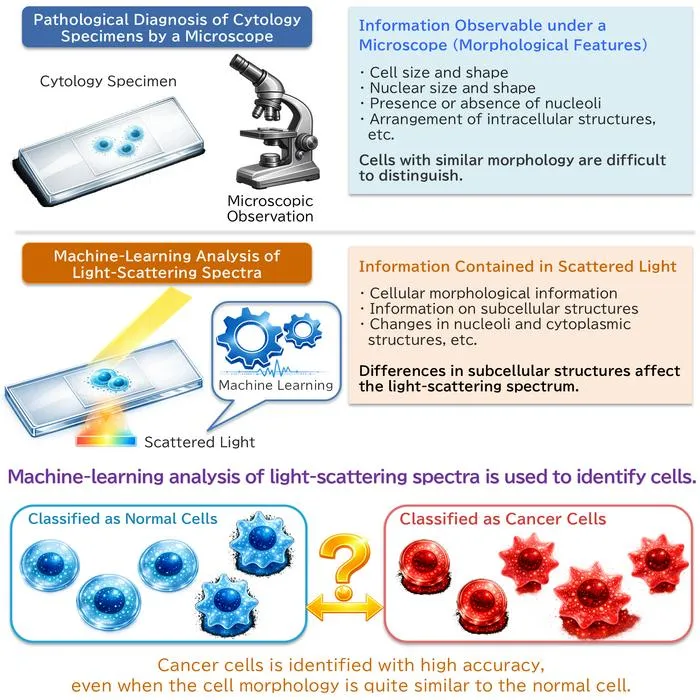
AI System Enhances Cancer Cell Detection via Light Scattering Spectra
Japanese researchers developed an AI system using light scattering spectra to improve cancer cell identification in cytology.

•EurekAlert
AI and X-ray Imaging Reveal Lost Texts in Ancient Roman Scrolls
AI and x-ray technology enable scientists to virtually read previously unreadable, carbonized Roman scrolls from Herculaneum.

•EurekAlert
AI’s Potential to Expand, Not Shrink, the Clinical Workforce
AI advancements may lead to more, not fewer, healthcare jobs, challenging common fears about workforce reductions in specialties like radiology.