
A York University study finds that AI vision systems lack the human-like perceptual shifts seen in biological vision during visual illusions.
Key Details
- 1York University researchers studied the motion aftereffect illusion to compare human and AI vision.
- 2Human and primate brains showed perceived shifts in object location after motion adaptation, while AI models did not.
- 3Tests combined human perception, primate visual cortex recordings, and AI neural network analysis.
- 4Findings reveal current AI systems lack history-dependent spatial representations present in biological vision.
- 5Research suggests new benchmarks for evaluating dynamic, human-compatible AI vision models.
Why It Matters
Understanding and incorporating human-like perception—including common visual illusions—into AI models is crucial for ensuring reliable, clinician-compatible medical imaging AI. This study highlights a current gap between biological and artificial vision, guiding future improvements in medical imaging systems.

Source
EurekAlert
Related News
•EurekAlert
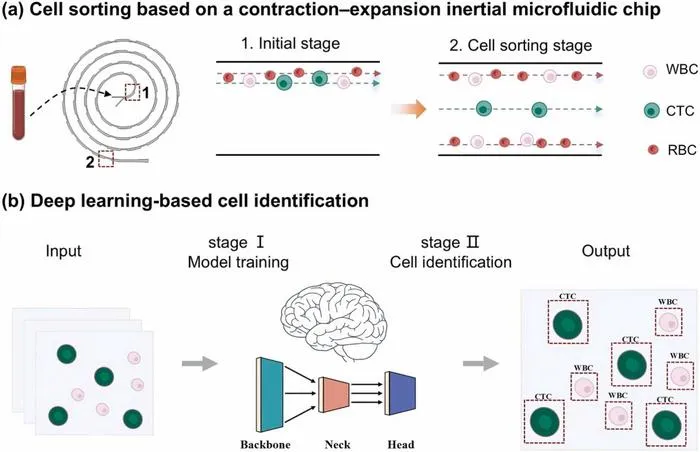
AI-Enhanced Microfluidic Chip Enables Label-Free Detection of Circulating Tumor Cells
Researchers developed a microfluidic chip and AI system that accurately isolates and identifies rare circulating tumor cells (CTCs) from blood without fluorescent labeling.
•EurekAlert
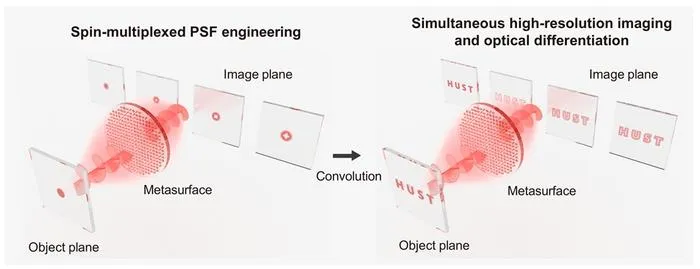
Metasurface Device Enables Real-Time Optical Differentiation and High-Resolution Imaging
Researchers introduced a metasurface optical differentiator that performs real-time, high-resolution imaging and differentiation in a single-layer device.

•EurekAlert
AI Model Predicts Glioblastoma Recurrence Sites Using Imaging
An AI tool using stimulated Raman histology can predict sites of glioblastoma recurrence before they appear on MRI.