
Advanced large language models like GPT-4 accurately identify thoracic diseases in chest CT reports, enhancing pre-operative surgical planning.
Key Details
- 1Five LLMs (GPT-4, Claude-3.5, Qwen-Max, GPT-3.5-Turbo, Gemini-Pro) compared using 13,489 real-world chest CT reports.
- 2GPT-4 achieved up to 75% accuracy in identifying 13 common chest diseases with multiple-choice prompts.
- 3Multiple-choice prompts significantly improved model accuracy compared to open-ended questions.
- 4Fine-tuning GPT-3.5-Turbo increased its accuracy from 42% to 65% in challenging cases.
- 5No single LLM was best for all diseases, suggesting a tailored approach may be optimal.
- 6Future research will use explainable AI tools to increase transparency and reliability.
Why It Matters
The study demonstrates that modern LLMs can act as accurate 'second readers' for radiology reports, possibly reducing diagnostic errors and alleviating radiologist workload. Fine-tuning and prompt design further boost performance, potentially making AI support accessible even in resource-limited settings.

Source
EurekAlert
Related News
•EurekAlert
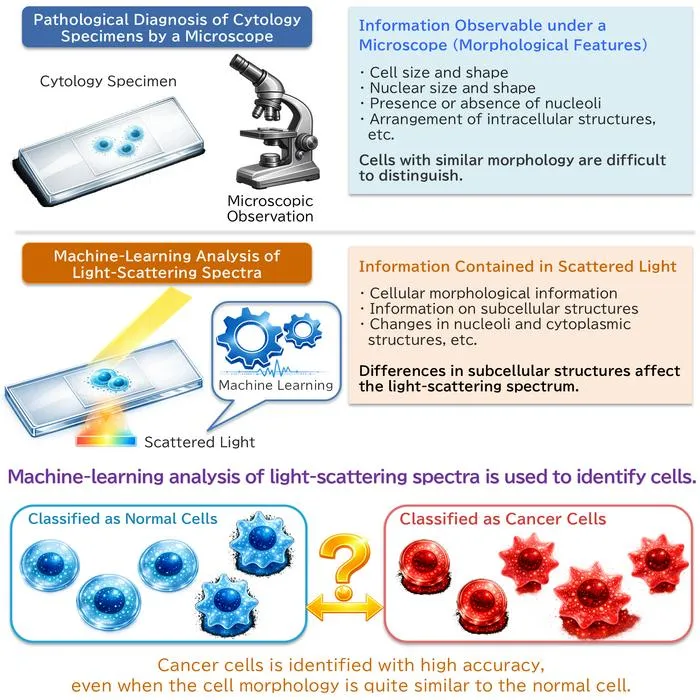
AI System Enhances Cancer Cell Detection via Light Scattering Spectra
Japanese researchers developed an AI system using light scattering spectra to improve cancer cell identification in cytology.
•EurekAlert
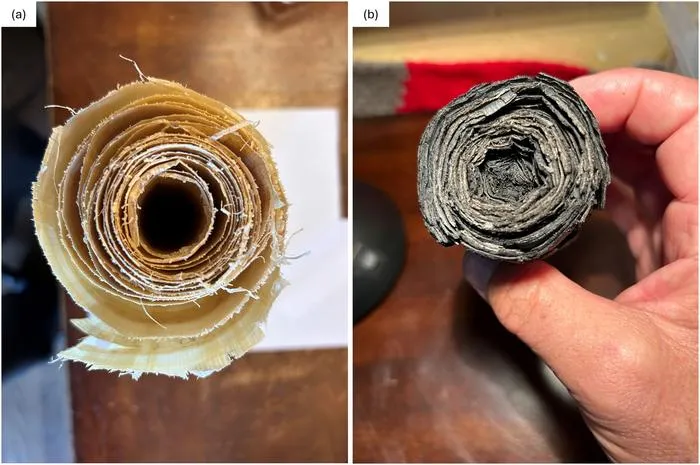
AI and X-ray Imaging Reveal Lost Texts in Ancient Roman Scrolls
AI and x-ray technology enable scientists to virtually read previously unreadable, carbonized Roman scrolls from Herculaneum.

•EurekAlert
AI’s Potential to Expand, Not Shrink, the Clinical Workforce
AI advancements may lead to more, not fewer, healthcare jobs, challenging common fears about workforce reductions in specialties like radiology.