
Clinical staff outperform ChatGPT AI at emergency department triage, but AI shows promise as a support tool for urgent cases.
Key Details
- 1Study compared six doctors, 44 nurses, and ChatGPT 3.5 on triaging 110 clinical cases using the Manchester Triage System.
- 2Doctors achieved 70.6% accuracy, nurses 65.5%, and AI 50.4%; AI had lower sensitivity for urgent cases (58.3% vs. nurses 73.8%, doctors 83%).
- 3AI outperformed nurses in the most urgent triage category for accuracy (27.3% vs. 9.3%) and specificity (27.8% vs. 8.3%).
- 4AI tended to over-triage, assigning higher urgency more often than staff.
- 5Authors advocate for AI as an adjunct to, not replacement for, clinical judgement.
- 6Study limitations include small sample size, single center, and non-real-world AI setting.
Why It Matters
These findings emphasize the current limitations of general AI models in patient triage compared to clinical professionals, highlighting the need for cautious integration, oversight, and further development before AI can play a leading role in acute medical decision-making.

Source
EurekAlert
Related News
•EurekAlert
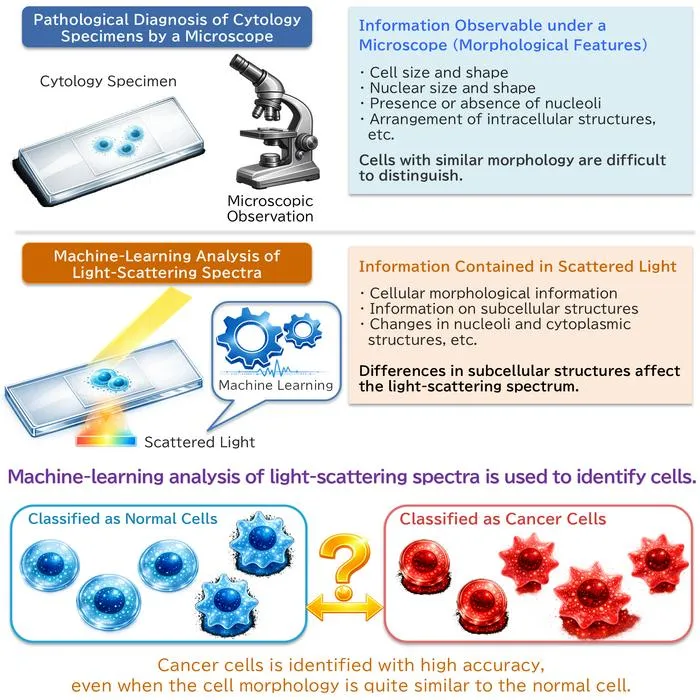
AI System Enhances Cancer Cell Detection via Light Scattering Spectra
Japanese researchers developed an AI system using light scattering spectra to improve cancer cell identification in cytology.
•EurekAlert
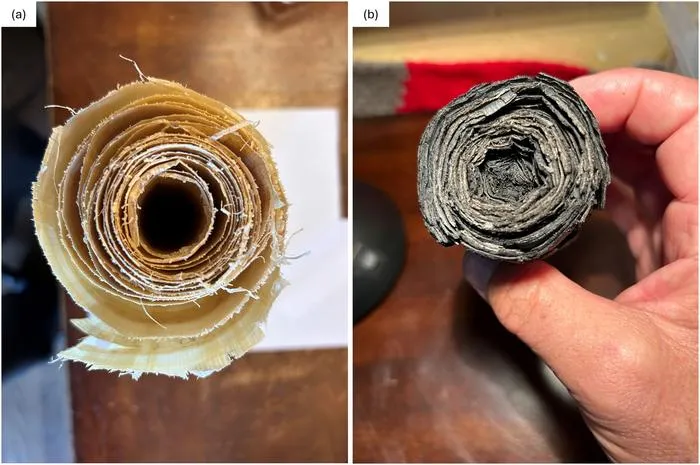
AI and X-ray Imaging Reveal Lost Texts in Ancient Roman Scrolls
AI and x-ray technology enable scientists to virtually read previously unreadable, carbonized Roman scrolls from Herculaneum.
•EurekAlert
AI’s Potential to Expand, Not Shrink, the Clinical Workforce
AI advancements may lead to more, not fewer, healthcare jobs, challenging common fears about workforce reductions in specialties like radiology.