
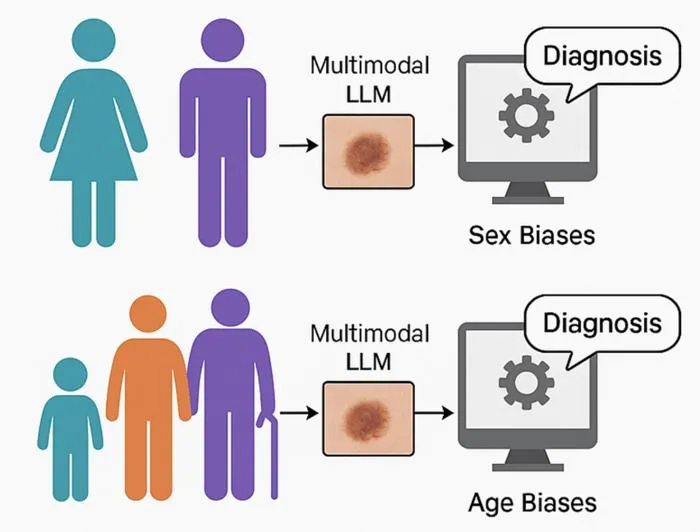
International study highlights demographic biases in AI models diagnosing skin diseases from images.
Key Details
- 1Researchers evaluated ChatGPT-4 and LLaVA on 10,000 dermatoscopic images of skin diseases.
- 2Study assessed diagnostic accuracy and fairness regarding sex and age groups.
- 3ChatGPT-4 showed better demographic fairness than LLaVA, which had marked sex-based biases.
- 4Both AI models outperformed traditional deep learning approaches overall.
- 5Calls made for considering demographic fairness before clinical deployment of AI in healthcare.
- 6Further research planned to evaluate impact of skin tone and other demographic factors.
Why It Matters
Addressing bias in AI diagnostic tools is essential to ensure equitable healthcare outcomes. This study provides critical insights and grounds for improvement in AI model development for medical imaging.

Source
EurekAlert
Related News
•EurekAlert
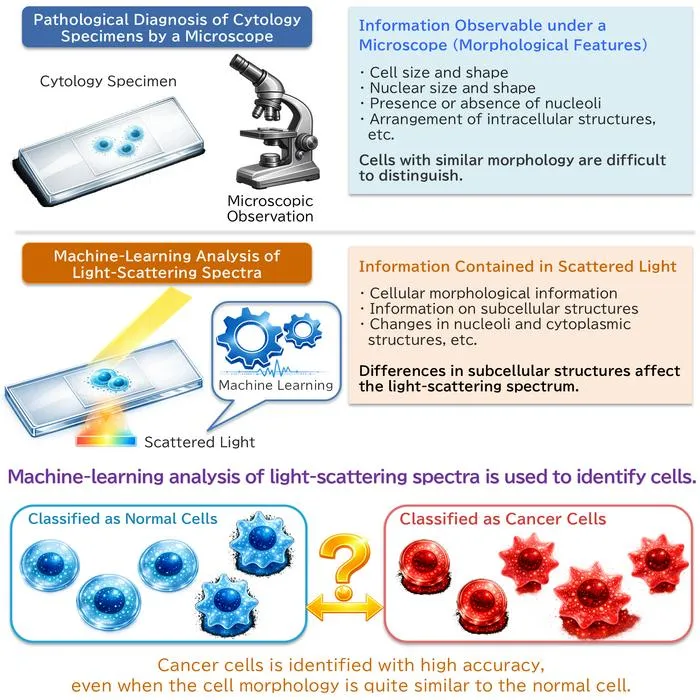
AI System Enhances Cancer Cell Detection via Light Scattering Spectra
Japanese researchers developed an AI system using light scattering spectra to improve cancer cell identification in cytology.
•EurekAlert
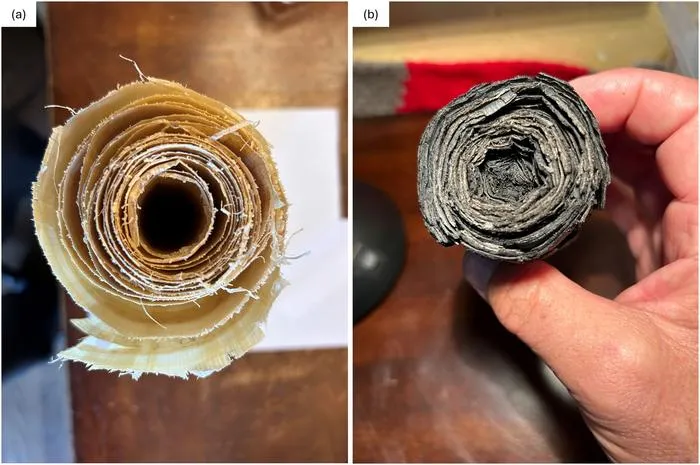
AI and X-ray Imaging Reveal Lost Texts in Ancient Roman Scrolls
AI and x-ray technology enable scientists to virtually read previously unreadable, carbonized Roman scrolls from Herculaneum.

•EurekAlert
AI’s Potential to Expand, Not Shrink, the Clinical Workforce
AI advancements may lead to more, not fewer, healthcare jobs, challenging common fears about workforce reductions in specialties like radiology.