
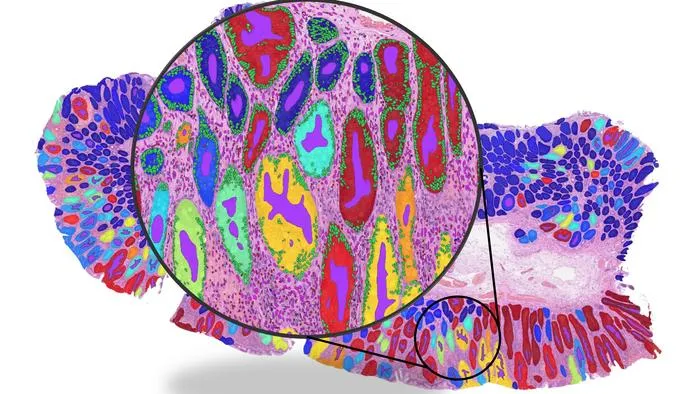
AI models for cancer pathology often rely on shortcut correlations rather than detecting true biological signals, compromising reliability.
Key Details
- 1University of Warwick research analyzed 8,000+ patient samples across four cancer types using deep learning pathology models.
- 2Findings show many models predict biomarkers based on confounded visual cues, not causal biological features.
- 3AI models' headline accuracy can drop markedly when evaluated in stratified subgroups controlling for confounding factors.
- 4Reported accuracy for AI (just over 80%) was only modestly better than using tumour grade alone (~75%), already assessed by pathologists.
- 5Authors stress need for bias-aware evaluation and subgroup testing to prevent premature and unsafe clinical deployment.
Why It Matters
This research underscores significant risks of overrelying on AI diagnostic tools that may not generalize well in real-world settings. Robustness, causal modeling, and rigorous validation standards are essential before AI can safely supplement or replace human expertise in pathology and radiology.

Source
EurekAlert
Related News
•EurekAlert
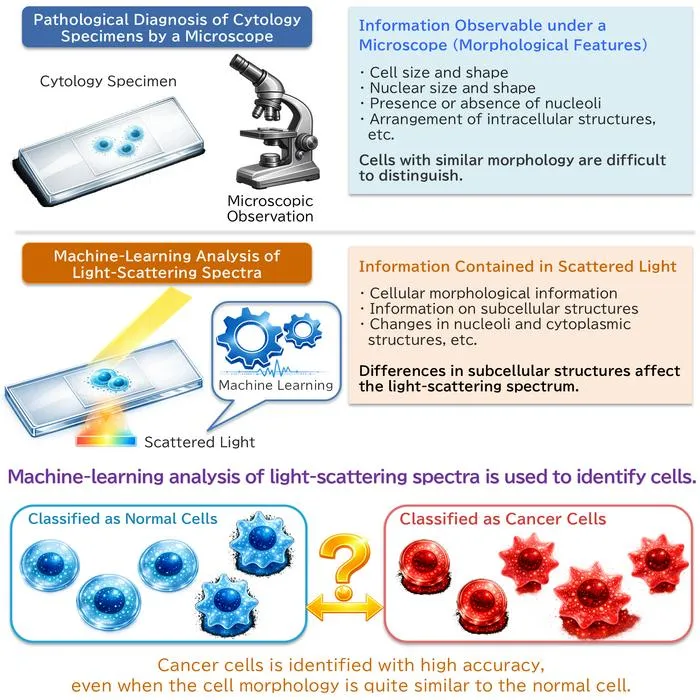
AI System Enhances Cancer Cell Detection via Light Scattering Spectra
Japanese researchers developed an AI system using light scattering spectra to improve cancer cell identification in cytology.
•EurekAlert
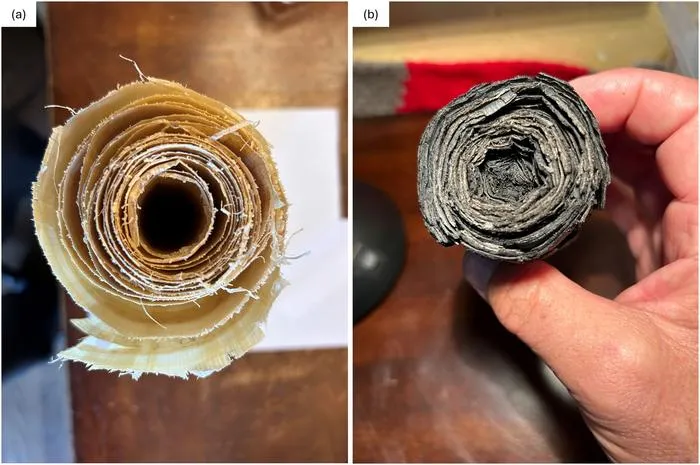
AI and X-ray Imaging Reveal Lost Texts in Ancient Roman Scrolls
AI and x-ray technology enable scientists to virtually read previously unreadable, carbonized Roman scrolls from Herculaneum.

•EurekAlert
AI’s Potential to Expand, Not Shrink, the Clinical Workforce
AI advancements may lead to more, not fewer, healthcare jobs, challenging common fears about workforce reductions in specialties like radiology.