
A Stanford-led team developed a machine-learning model that predicts donor death timing, reducing canceled liver transplants and improving resource use.
Key Details
- 1A machine-learning model predicts whether donors will die within 30–45 minutes after life support removal, enabling timely liver transplantation.
- 2The model was trained on over 2,000 cases from six US transplant centers and outperformed surgeons’ judgment (75% vs 65% accuracy).
- 3Futile procurement rates (resources spent without a successful transplant) dropped by 60% using the model.
- 4Missed transplant opportunities remained similar to surgeon judgment (just over 15%), but further model refinements lowered this to ~10% in recent tests.
- 5The model incorporates donor demographics, vitals, lab results, ventilator settings, and neurological assessments, and features a natural language interface for clinical data extraction.
- 6It is customizable to clinical and hospital preferences and is being adapted for heart and lung transplantation.
Why It Matters
This research demonstrates the growing potential of machine learning in high-stakes surgical decision-making, supporting better allocation of scarce organs and healthcare resources. Increased accuracy and efficiency can enhance patient outcomes, reduce waste, and potentially expand AI's role into more imaging-driven and perioperative workflows.

Source
EurekAlert
Related News
•EurekAlert
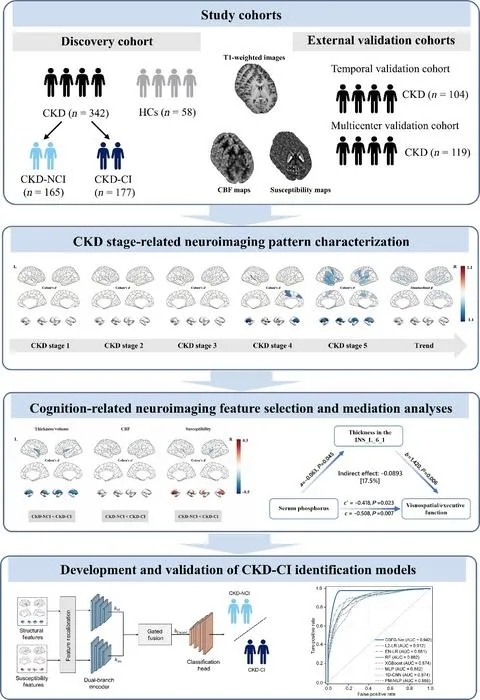
Deep Learning and MRI Identify Cognitive Impairment in CKD Patients
Researchers used multimodal MRI and a novel deep learning model to identify cognitive impairment in chronic kidney disease patients with strong validation.
•EurekAlert
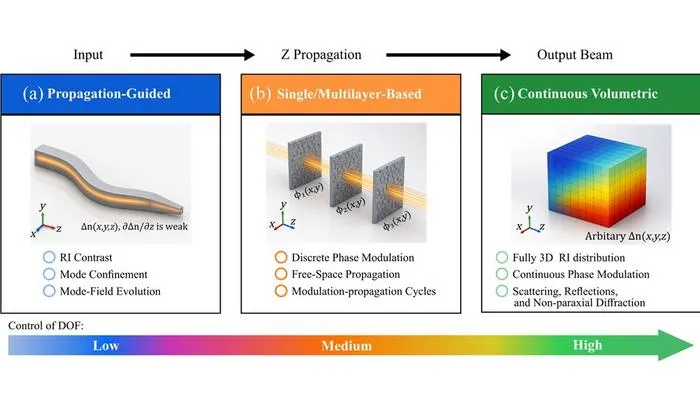
Advances in 3D-Printed Devices for Structured-Light Imaging
Researchers review femtosecond laser 3D microfabrication for integrated structured-light optical devices.

•EurekAlert
HKU Unveils X-ray Telescope and AI Innovations at InnoCarnival 2026
Hong Kong University showcases an X-ray telescope and AI-powered health technologies at InnoCarnival 2026.