
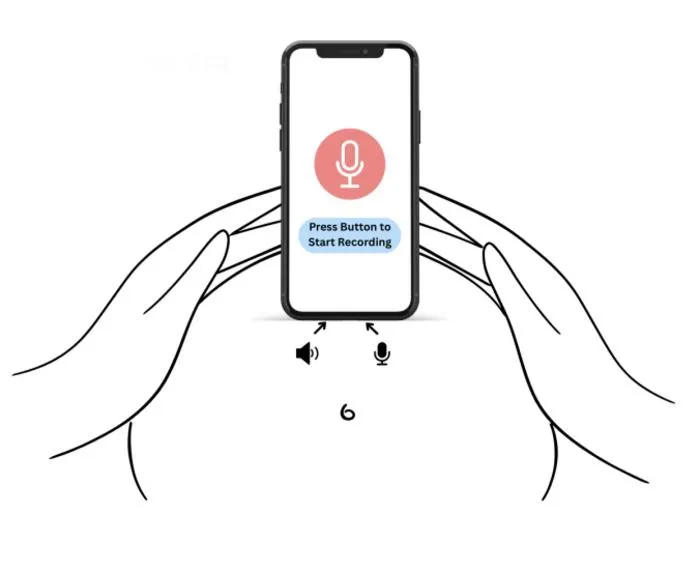
University of Washington researchers developed DopFone, an AI system using smartphone hardware to estimate fetal heart rate accurately.
Key Details
- 1DopFone utilizes an off-the-shelf smartphone's speaker and microphone to mimic Doppler ultrasound.
- 2A machine learning model analyzes echoes to estimate fetal heart rate.
- 3Clinical test on 23 pregnant women showed average error of 2 bpm, well within the accepted 8 bpm clinical threshold.
- 4Accuracy was slightly reduced in patients with higher BMI, but remained within safe limits.
- 5Published in Proceedings of the ACM on Interactive, Mobile, Wearable and Ubiquitous Technologies (Dec 2025).
- 6The goal is to make the app publicly available, particularly improving access in low-resource settings.
Why It Matters
DopFone represents a low-cost, accessible alternative to traditional Doppler ultrasound technology—a significant advancement for fetal monitoring, especially in regions lacking medical equipment or staff. Its successful clinical validation highlights AI's expanding role in democratizing access to essential imaging-driven health information.

Source
EurekAlert
Related News
•EurekAlert
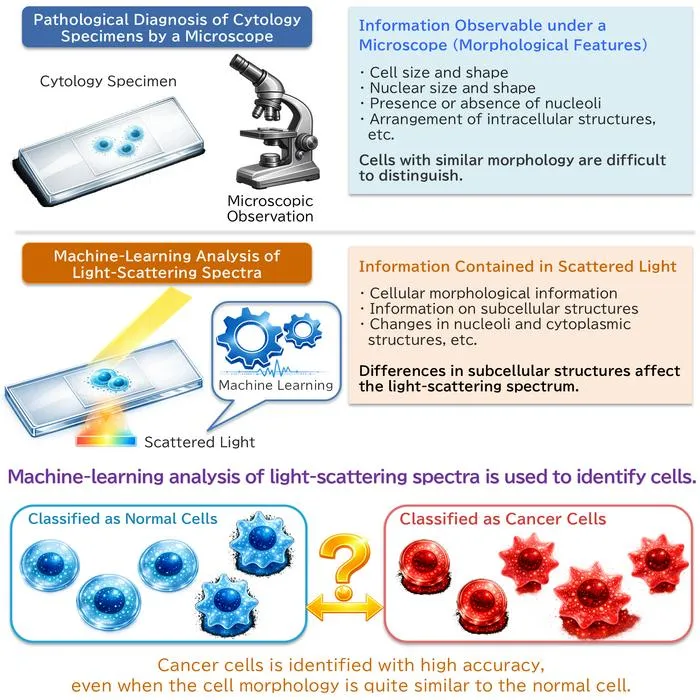
AI System Enhances Cancer Cell Detection via Light Scattering Spectra
Japanese researchers developed an AI system using light scattering spectra to improve cancer cell identification in cytology.
•EurekAlert
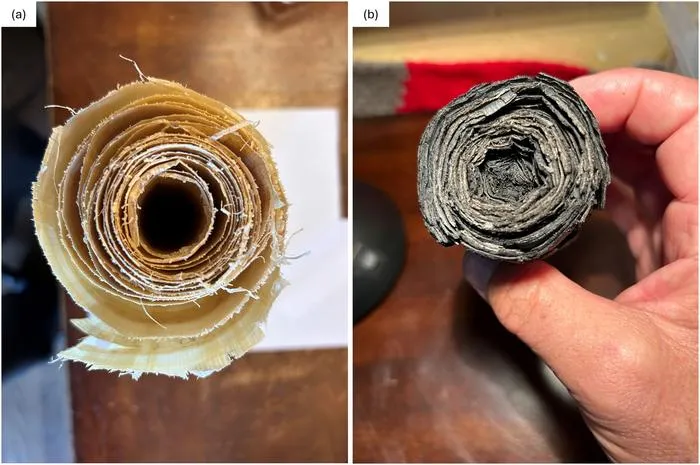
AI and X-ray Imaging Reveal Lost Texts in Ancient Roman Scrolls
AI and x-ray technology enable scientists to virtually read previously unreadable, carbonized Roman scrolls from Herculaneum.

•EurekAlert
AI’s Potential to Expand, Not Shrink, the Clinical Workforce
AI advancements may lead to more, not fewer, healthcare jobs, challenging common fears about workforce reductions in specialties like radiology.