
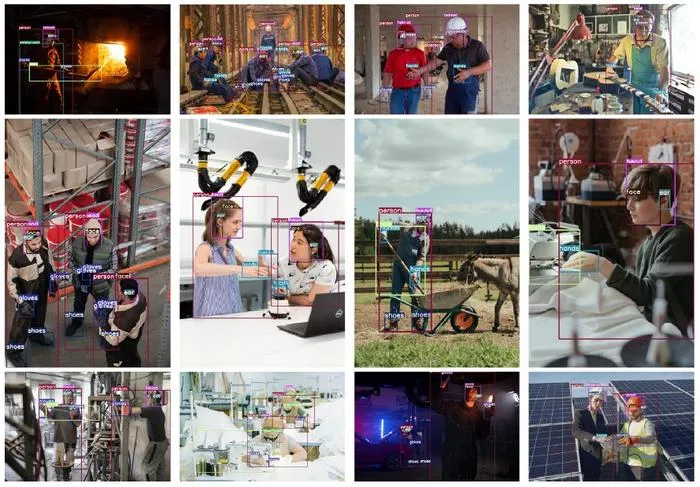
University of Windsor researchers released SH17, a 8,099-image open dataset for AI-driven detection of personal protective equipment (PPE) in manufacturing settings.
Key Details
- 1SH17 includes 8,099 images with 75,994 labeled PPE and body part instances across 17 categories.
- 2Dataset covers diverse PPE, such as helmets, gloves, safety glasses, and small items like earmuffs.
- 3AI models (e.g., YOLOv9) trained on SH17 achieved mean average precision of 70.9%.
- 4Images were sourced globally to reduce bias and reflect real-world manufacturing conditions.
- 5Both the dataset and trained model weights are publicly available for further research and development.
Why It Matters
SH17 offers a valuable resource for advancing vision-based PPE detection in industrial settings, demonstrating strong generalization and supporting scalable, non-invasive worker safety solutions. Its release enables further research and deployment of AI monitoring in manufacturing, potentially reducing accidents and improving compliance.

Source
EurekAlert
Related News
•EurekAlert
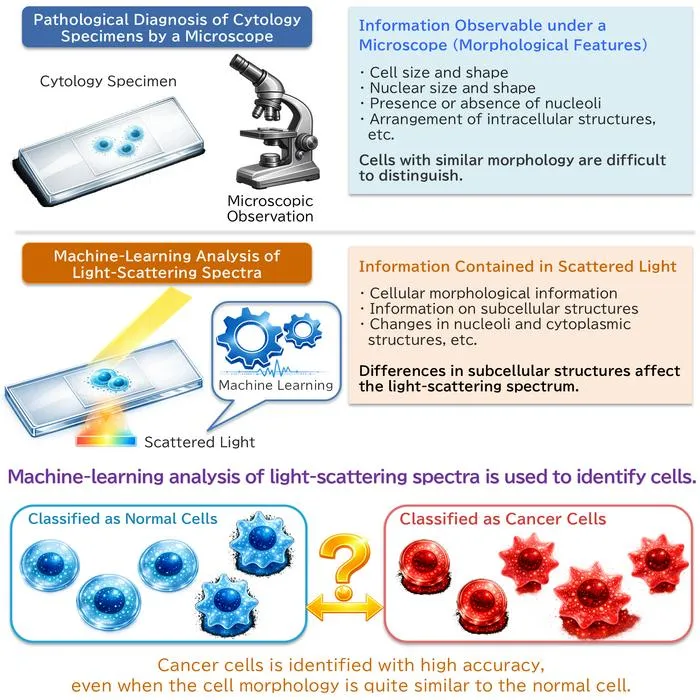
AI System Enhances Cancer Cell Detection via Light Scattering Spectra
Japanese researchers developed an AI system using light scattering spectra to improve cancer cell identification in cytology.
•EurekAlert
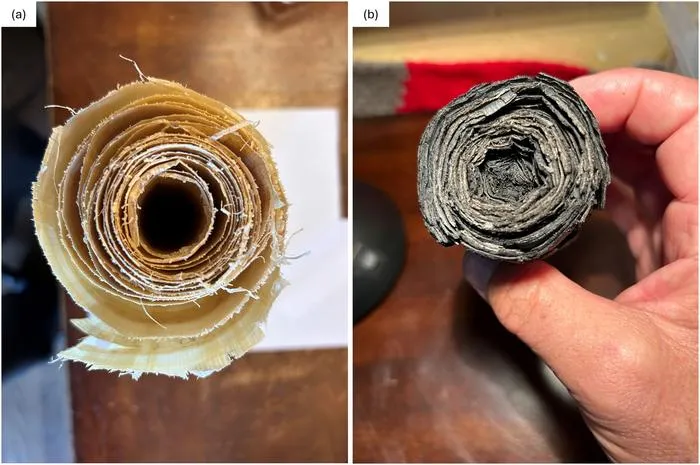
AI and X-ray Imaging Reveal Lost Texts in Ancient Roman Scrolls
AI and x-ray technology enable scientists to virtually read previously unreadable, carbonized Roman scrolls from Herculaneum.

•EurekAlert
AI’s Potential to Expand, Not Shrink, the Clinical Workforce
AI advancements may lead to more, not fewer, healthcare jobs, challenging common fears about workforce reductions in specialties like radiology.