
The RADAR vision-language AI model shows expert-level diagnostic ability for abdominal CT across multiple diseases and clinical settings.
Key Details
- 1RADAR is a vision-language AI model trained on 424,911 abdominal CT exams with over 1.5 million image-text and 15 million anatomy-specific pairs.
- 2It breaks CT scans down by anatomical structure and links each to radiology report text using contrastive learning.
- 3RADAR achieved a mean AUC of 0.913 across 146 abdominal CT findings, outperforming the best existing model (AUC 0.776).
- 4In over 27,000 emergency CT cases, RADAR had an AUC of 0.904, despite not being specifically trained for emergencies.
- 5In tests from eight external centers, RADAR maintained high accuracy (AUC 0.895), demonstrating strong generalizability.
Why It Matters
These results suggest that generalist, expert-level AI systems like RADAR can provide reliable, accurate, and scalable diagnostic support for complex CT imaging tasks. This could significantly impact radiology workflows, improve diagnostic consistency, and aid clinicians across diverse clinical environments.

Source
EurekAlert
Related News
•EurekAlert
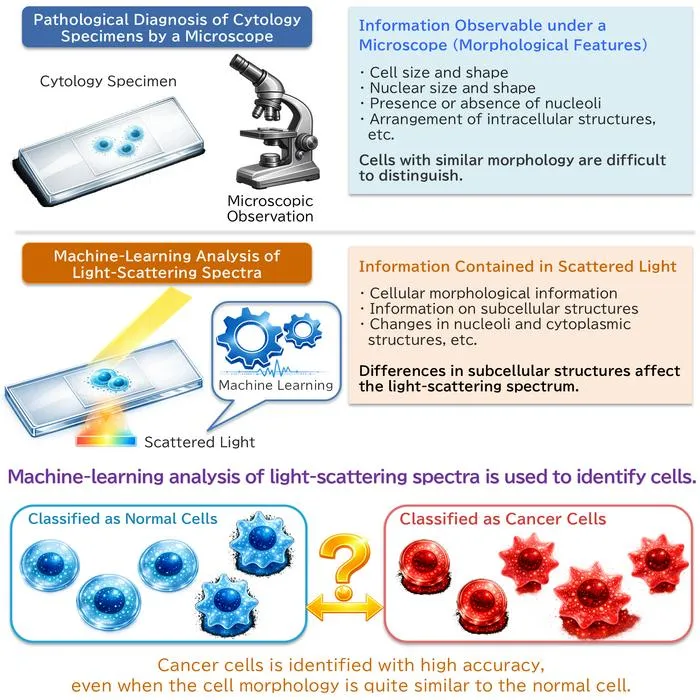
AI System Enhances Cancer Cell Detection via Light Scattering Spectra
Japanese researchers developed an AI system using light scattering spectra to improve cancer cell identification in cytology.
•EurekAlert
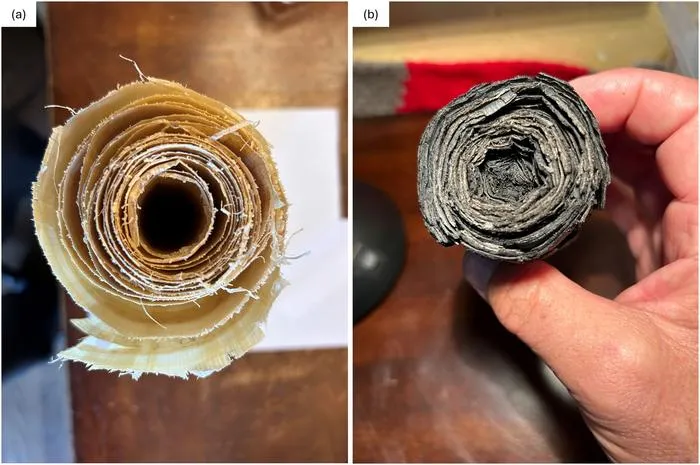
AI and X-ray Imaging Reveal Lost Texts in Ancient Roman Scrolls
AI and x-ray technology enable scientists to virtually read previously unreadable, carbonized Roman scrolls from Herculaneum.

•EurekAlert
AI’s Potential to Expand, Not Shrink, the Clinical Workforce
AI advancements may lead to more, not fewer, healthcare jobs, challenging common fears about workforce reductions in specialties like radiology.