

A York University-led study identifies that continual and transfer learning strategies can mitigate harmful data shifts in clinical AI models used in hospitals.
Key Details
- 1Data shifts between training and real-world hospital data can cause patient harm and model unreliability.
- 2Researchers analyzed 143,049 patient encounters from seven hospitals in Toronto using the GEMINI data network.
- 3Significant data shifts were observed between community and academic hospitals, with transfer of models from community to academic settings leading to more harm.
- 4Transfer learning and drift-triggered continual learning approaches improved model robustness and prevented performance drops, especially during the COVID-19 pandemic.
- 5A label-agnostic monitoring pipeline was proposed to detect and address harmful data shifts for safe, equitable AI deployment.
Why It Matters
Data distribution changes are common in real-world clinical environments, often leading to AI model bias or inaccuracy. This research provides practical, evidence-based strategies for continuously monitoring and adapting clinical AI models, helping ensure safer and more robust radiology-AI deployment in hospital settings.

Source
EurekAlert
Related News
•EurekAlert
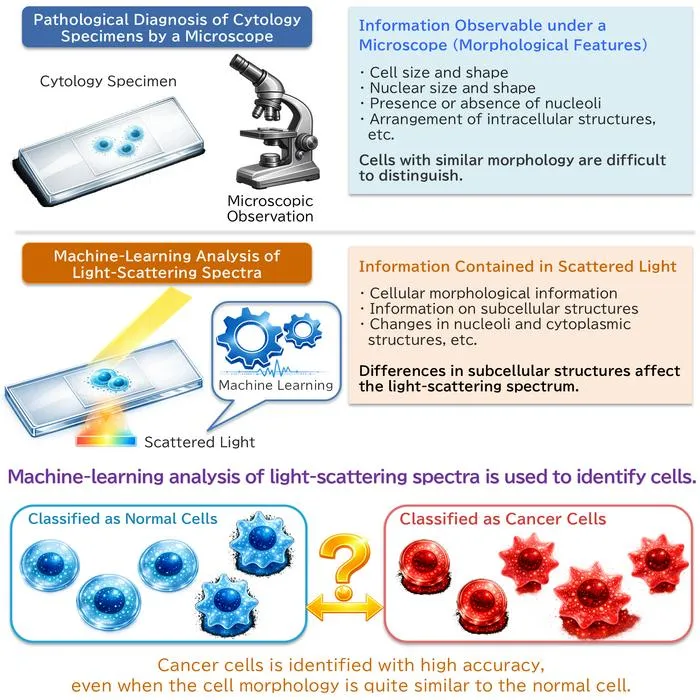
AI System Enhances Cancer Cell Detection via Light Scattering Spectra
Japanese researchers developed an AI system using light scattering spectra to improve cancer cell identification in cytology.
•EurekAlert
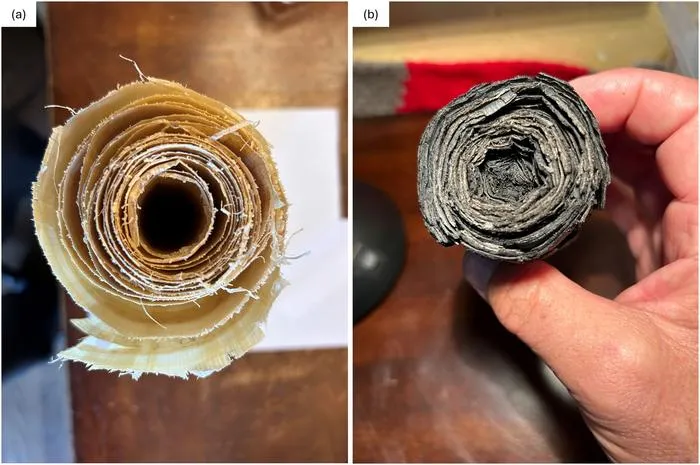
AI and X-ray Imaging Reveal Lost Texts in Ancient Roman Scrolls
AI and x-ray technology enable scientists to virtually read previously unreadable, carbonized Roman scrolls from Herculaneum.
•EurekAlert
AI’s Potential to Expand, Not Shrink, the Clinical Workforce
AI advancements may lead to more, not fewer, healthcare jobs, challenging common fears about workforce reductions in specialties like radiology.