
Physicians tend to trust incorrect AI advice, even when evidence contradicts it, suggesting risks in clinical decision-making with AI tools.
Key Details
- 1223 physicians participated in online experiments where they received AI treatment recommendations for hypothetical patients.
- 2In both studied scenarios, AI recommendations did not match the actual effectiveness of the treatment.
- 3Physicians rated the AI as reliable and rarely learned from patient recovery data that contradicted AI suggestions.
- 4Even when told the treatment was ineffective, many doctors did not recognize AI errors.
- 5Study emphasizes challenges of integrating AI into healthcare and the need for strategies to improve critical evaluation of AI output.
Why It Matters
Overreliance on AI recommendations without adequate critical evaluation can lead to clinical errors. Understanding these human factors is essential for safely deploying AI in radiology and broader medical practice.

Source
EurekAlert
Related News
•EurekAlert
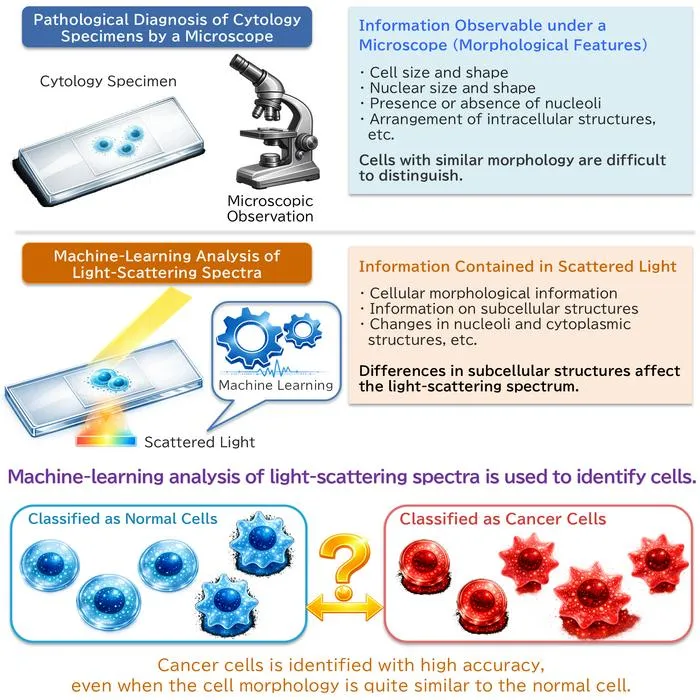
AI System Enhances Cancer Cell Detection via Light Scattering Spectra
Japanese researchers developed an AI system using light scattering spectra to improve cancer cell identification in cytology.
•EurekAlert
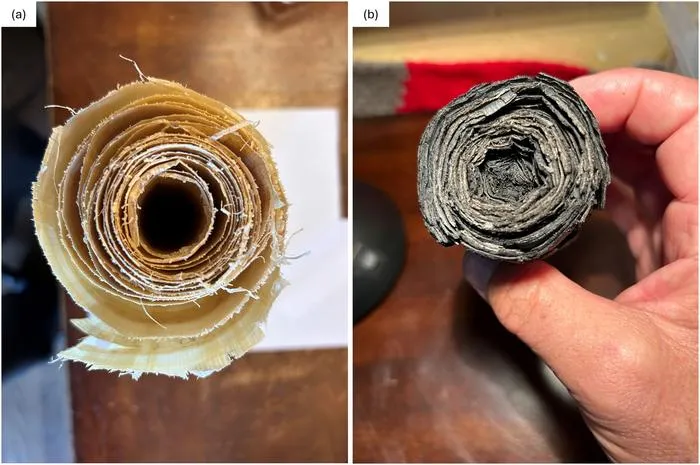
AI and X-ray Imaging Reveal Lost Texts in Ancient Roman Scrolls
AI and x-ray technology enable scientists to virtually read previously unreadable, carbonized Roman scrolls from Herculaneum.

•EurekAlert
AI’s Potential to Expand, Not Shrink, the Clinical Workforce
AI advancements may lead to more, not fewer, healthcare jobs, challenging common fears about workforce reductions in specialties like radiology.