
A study links adolescent recreational physical activity to changes in breast tissue composition and stress biomarkers, potentially impacting future breast cancer risk.
Key Details
- 1Adolescent girls who engaged in at least two hours of weekly recreational physical activity had lower breast tissue water content, signifying lower breast density.
- 2Lower concentrations of urinary biomarkers tied to stress were observed in more active participants.
- 3Breast tissue composition was assessed using imaging techniques, and findings were independent of body fat levels.
- 4Majority of study participants (51%) reported no recreational physical activity in the prior week.
- 5Study conducted among a diverse urban cohort including Black/African American and Hispanic girls, demographics often underrepresented in research.
Why It Matters
Understanding how physical activity affects breast tissue composition and stress biomarkers during adolescence provides important insight into breast cancer risk pathways. This research supports potential imaging and biomarker-based prevention strategies, especially for underserved populations.

Source
EurekAlert
Related News
•EurekAlert
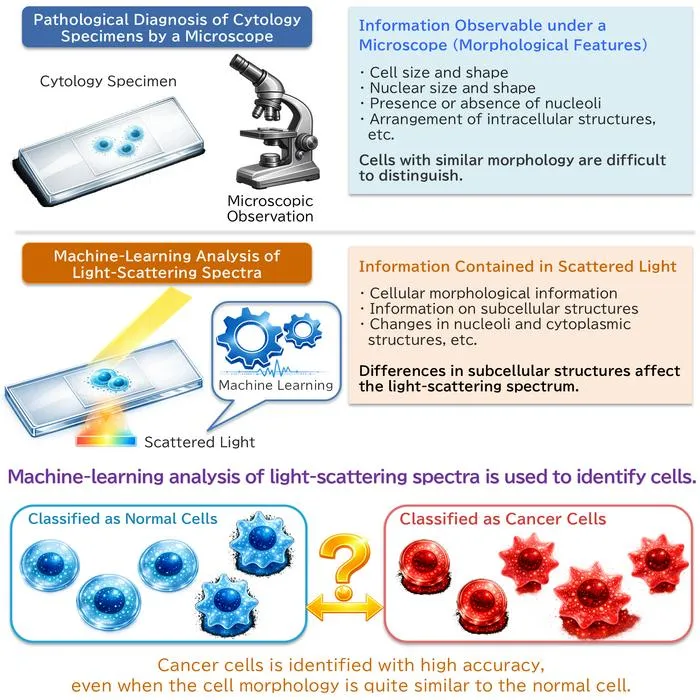
AI System Enhances Cancer Cell Detection via Light Scattering Spectra
Japanese researchers developed an AI system using light scattering spectra to improve cancer cell identification in cytology.
•EurekAlert
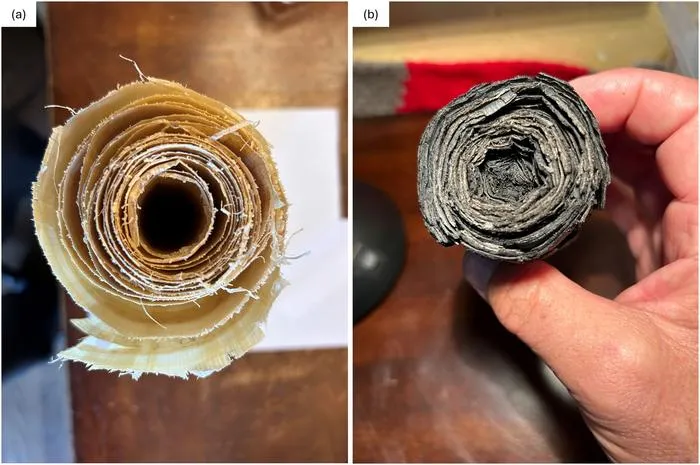
AI and X-ray Imaging Reveal Lost Texts in Ancient Roman Scrolls
AI and x-ray technology enable scientists to virtually read previously unreadable, carbonized Roman scrolls from Herculaneum.

•EurekAlert
AI’s Potential to Expand, Not Shrink, the Clinical Workforce
AI advancements may lead to more, not fewer, healthcare jobs, challenging common fears about workforce reductions in specialties like radiology.