
Open-source AI tools can perform as well as costly commercial systems in reading and structuring radiology reports without compromising patient privacy.
Key Details
- 1University of Colorado study evaluated free, open-source AI models against commercial tools (e.g., GPT-4) for analyzing thyroid nodule ultrasound reports.
- 2Researchers created 3,000 synthetic radiology reports for model training to avoid using patient data.
- 3Six open-source models were tested; Yi-34B matched GPT-4 accuracy, and smaller models sometimes outperformed GPT-3.5.
- 4Testing was performed on 50 real public patient reports using the ACR TI-RADS scoring system.
- 5Open-source models can run locally within hospital systems, avoiding privacy risks and high infrastructure costs.
Why It Matters
This research demonstrates that hospitals can safely and affordably deploy effective AI to aid radiology reporting, reducing privacy risks by eliminating the need to export sensitive data. The successful use of synthetic data and locally-run models points toward practical, scalable AI solutions for clinical workflows.

Source
EurekAlert
Related News
•EurekAlert
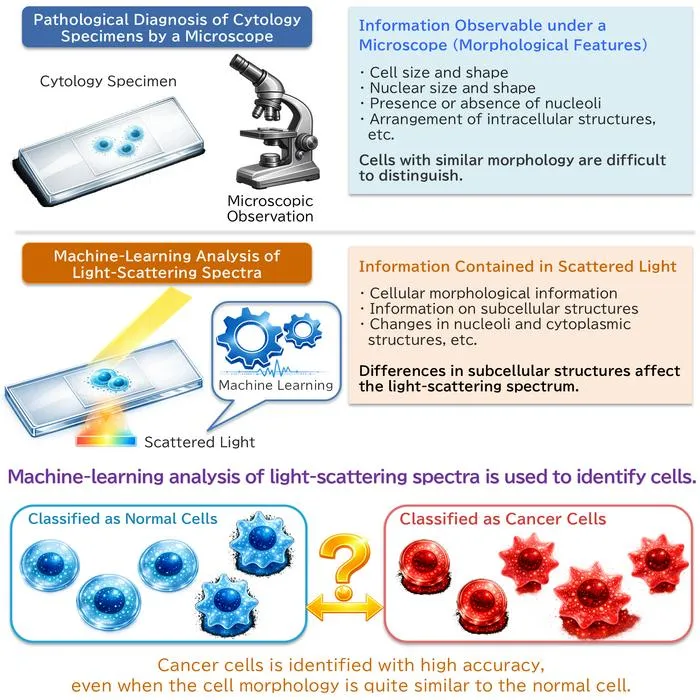
AI System Enhances Cancer Cell Detection via Light Scattering Spectra
Japanese researchers developed an AI system using light scattering spectra to improve cancer cell identification in cytology.
•EurekAlert
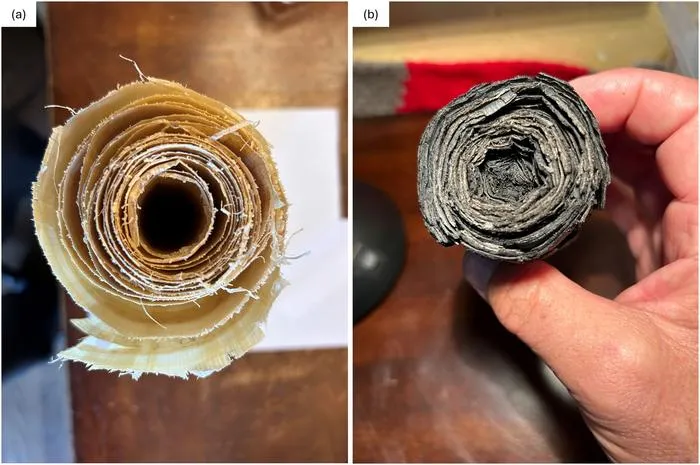
AI and X-ray Imaging Reveal Lost Texts in Ancient Roman Scrolls
AI and x-ray technology enable scientists to virtually read previously unreadable, carbonized Roman scrolls from Herculaneum.

•EurekAlert
AI’s Potential to Expand, Not Shrink, the Clinical Workforce
AI advancements may lead to more, not fewer, healthcare jobs, challenging common fears about workforce reductions in specialties like radiology.