
NYU researchers developed an AI model using longitudinal 3D mammograms that outperforms single-scan and 2D-based tools in predicting 5-year breast cancer risk.
Key Details
- 1NYU-DRP analyzes multiple years of 3D mammograms (longitudinal DBT) for risk prediction.
- 2Study included 313,531 yearly scans from 161,165 women (2016-2020).
- 3NYU-DRP correctly ranked high-risk cases 72% of the time, compared to 70% (single DBT) and 68% (AI 2D).
- 4Outperformed the Tyrer-Cuzick risk model (67% vs. 56% accuracy for 5-year high-risk predictions).
- 5Dense breast tissue alone did not predict future risk as reliably as the AI model.
- 6Study funded by NSF, NIH, and several breast cancer foundations.
Why It Matters
Improved personalized risk stratification with AI could enable more tailored breast cancer screening protocols, reducing over-screening and improving detection for high-risk women. The adoption of longitudinal 3D mammogram analysis signals an advancement in imaging AI's capability for real-world risk prediction.

Source
EurekAlert
Related News
•EurekAlert
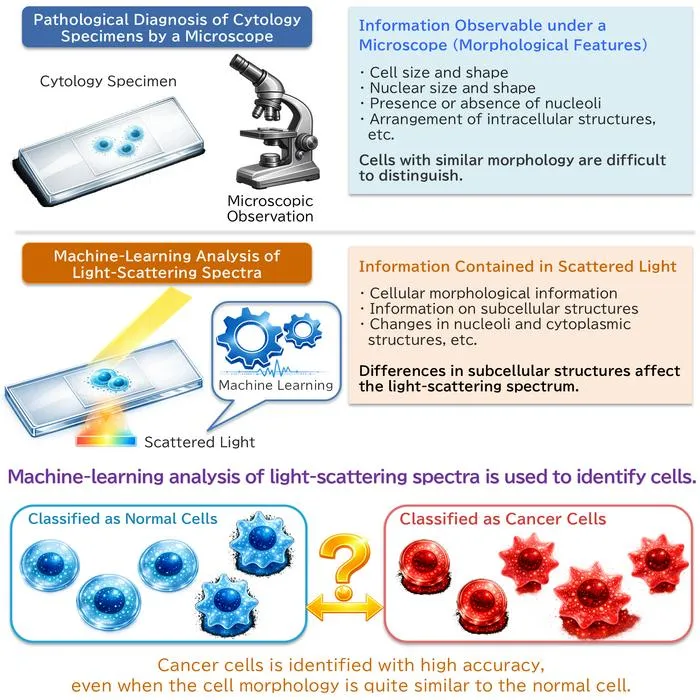
AI System Enhances Cancer Cell Detection via Light Scattering Spectra
Japanese researchers developed an AI system using light scattering spectra to improve cancer cell identification in cytology.
•EurekAlert
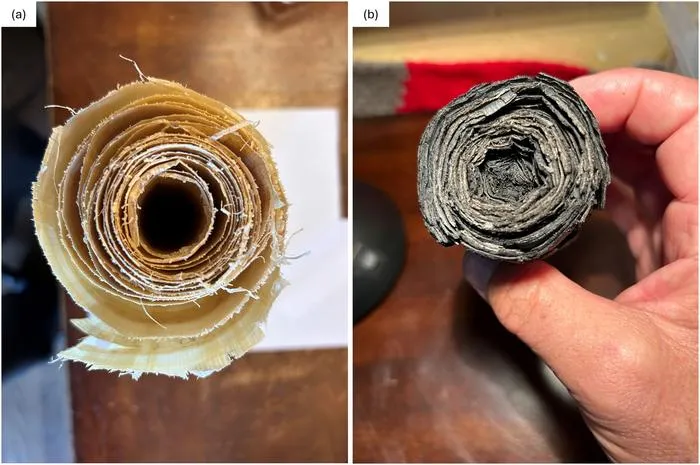
AI and X-ray Imaging Reveal Lost Texts in Ancient Roman Scrolls
AI and x-ray technology enable scientists to virtually read previously unreadable, carbonized Roman scrolls from Herculaneum.

•EurekAlert
AI’s Potential to Expand, Not Shrink, the Clinical Workforce
AI advancements may lead to more, not fewer, healthcare jobs, challenging common fears about workforce reductions in specialties like radiology.