
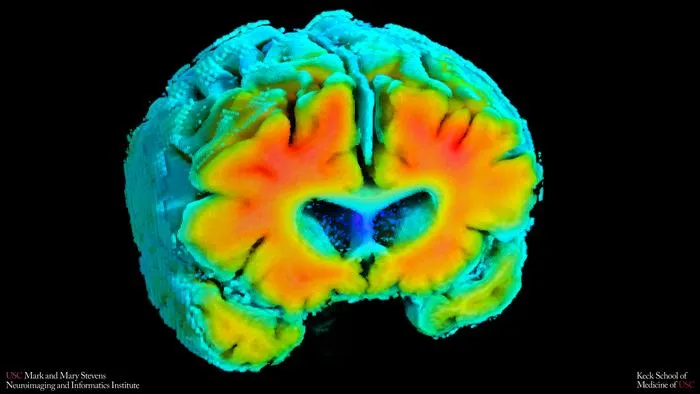
New research links noninvasive brain blood flow and oxygenation markers to hallmark Alzheimer's disease changes, suggesting early risk detection potential.
Key Details
- 1Study conducted at the Mark and Mary Stevens Neuroimaging and Informatics Institute, Keck School of Medicine of USC.
- 2Researchers used transcranial Doppler ultrasound and near-infrared spectroscopy to measure brain blood flow and oxygenation.
- 3Findings associated higher vascular function indicators with lower amyloid plaques and larger hippocampal volume.
- 4Amyloid PET imaging was also used to correlate vascular markers with known AD pathology.
- 5Techniques are less costly and more tolerable for large-scale or difficult-to-image populations than MRI or PET.
- 6Longitudinal studies are underway to assess if changes in these markers can predict cognitive decline.
Why It Matters
Demonstrating a link between vascular brain health (measured noninvasively) and established Alzheimer’s imaging findings could enable earlier and easier risk stratification. The use of noninvasive, accessible tools may facilitate broad screening and intervention research in populations unable to tolerate extensive imaging.

Source
EurekAlert
Related News
•EurekAlert
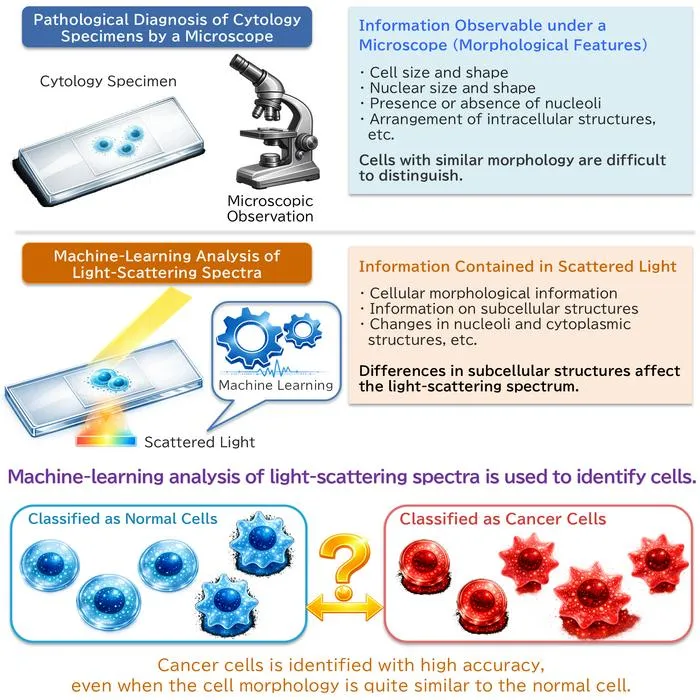
AI System Enhances Cancer Cell Detection via Light Scattering Spectra
Japanese researchers developed an AI system using light scattering spectra to improve cancer cell identification in cytology.
•EurekAlert
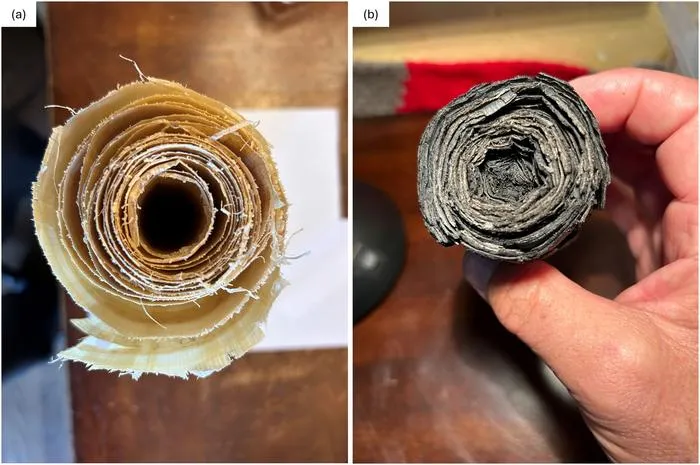
AI and X-ray Imaging Reveal Lost Texts in Ancient Roman Scrolls
AI and x-ray technology enable scientists to virtually read previously unreadable, carbonized Roman scrolls from Herculaneum.

•EurekAlert
AI’s Potential to Expand, Not Shrink, the Clinical Workforce
AI advancements may lead to more, not fewer, healthcare jobs, challenging common fears about workforce reductions in specialties like radiology.