

NIH has renewed and expanded its support for a USC-led consortium developing AI to decode and treat Alzheimer's using imaging and genomic data.
Key Details
- 1NIH total investment in the AI4AD project now totals $30.7 million, with a new $12.6 million award supporting the next phase (AI4AD2).
- 2AI4AD2 unites 10 investigators and 23 co-investigators from 10 institutions.
- 3The project integrates whole-genome sequencing, brain imaging, cognitive tests, and biological data from over 58,000 participants across 57 cohorts.
- 4New 'genomic language models' will analyze genomic sequences for disease-associated DNA changes.
- 5AI tools developed previously demonstrated >90% accuracy detecting Alzheimer's markers from over 80,000 brain scans.
- 6The initiative also focuses on inclusive, multi-ancestry research and genome-guided drug discovery.
Why It Matters
This large-scale effort could redefine Alzheimer's diagnosis and treatment by combining AI-powered brain imaging analysis with genomics, enabling precision medicine approaches. It also addresses diversity and reproducibility issues in neuroimaging and biomarker AI research.

Source
EurekAlert
Related News
•EurekAlert
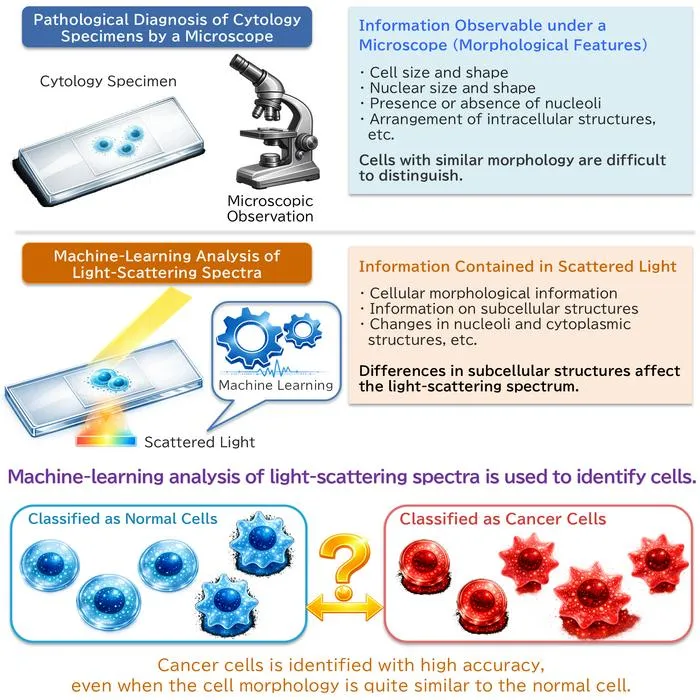
AI System Enhances Cancer Cell Detection via Light Scattering Spectra
Japanese researchers developed an AI system using light scattering spectra to improve cancer cell identification in cytology.
•EurekAlert
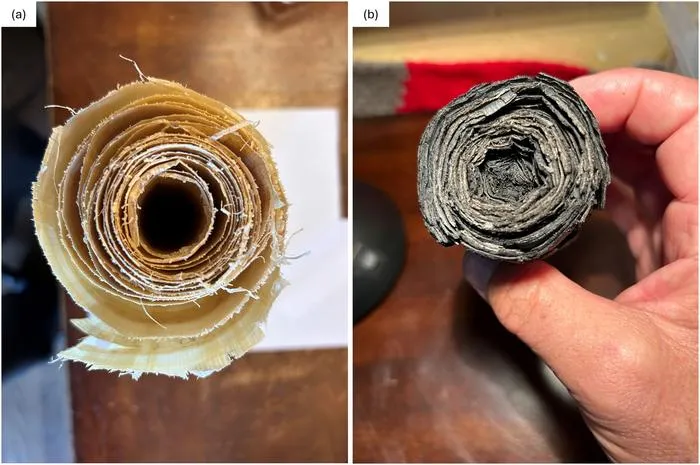
AI and X-ray Imaging Reveal Lost Texts in Ancient Roman Scrolls
AI and x-ray technology enable scientists to virtually read previously unreadable, carbonized Roman scrolls from Herculaneum.

•EurekAlert
AI’s Potential to Expand, Not Shrink, the Clinical Workforce
AI advancements may lead to more, not fewer, healthcare jobs, challenging common fears about workforce reductions in specialties like radiology.