
Stanford researchers unveil Merlin, a foundation AI model that outshines specialist models in analyzing 3D CT scans for diagnostics and disease prediction.
Key Details
- 1Merlin is a vision-language foundation model for 3D abdominal CT analysis, trained on over 15,000 scans, radiology reports, and nearly 1 million diagnosis codes.
- 2The model was evaluated on over 50,000 unseen abdominal CT scans from four hospitals.
- 3On diagnostic coding, Merlin achieved over 81% accuracy across 692 codes and 90% for a subset of 102 codes, outperforming specialist models.
- 4Merlin accurately predicted 5-year risk of chronic diseases from scans 75% of the time, compared to 68% for an existing model.
- 5The model processed both standard and out-of-domain CT scans (chest), matching or surpassing existing tools even outside its training scope.
- 6Researchers hope the model will accelerate clinical workflows and support new biomarker discovery in radiology.
Why It Matters
Merlin's broad capabilities and superior performance signal a shift towards foundation models in medical imaging AI, offering improved diagnostic accuracy, workflow efficiency, and potential for new clinical insights in radiology practice.

Source
EurekAlert
Related News
•EurekAlert
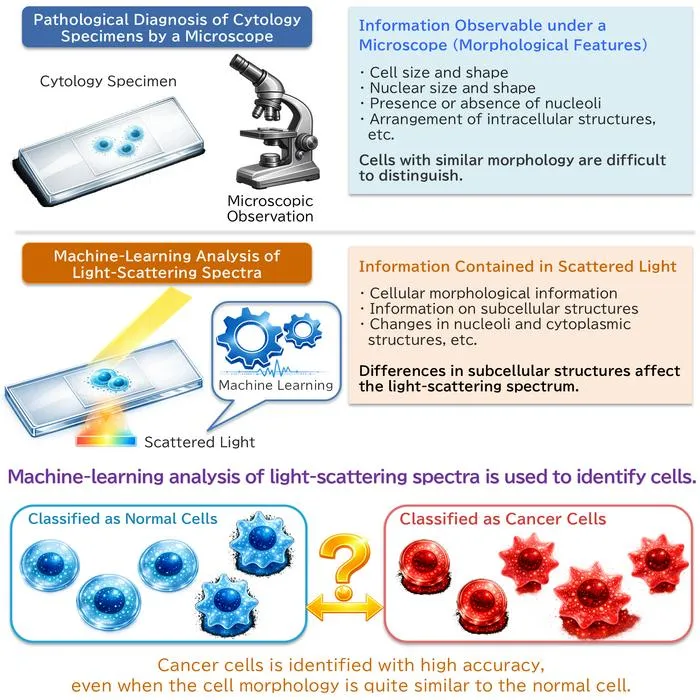
AI System Enhances Cancer Cell Detection via Light Scattering Spectra
Japanese researchers developed an AI system using light scattering spectra to improve cancer cell identification in cytology.
•EurekAlert
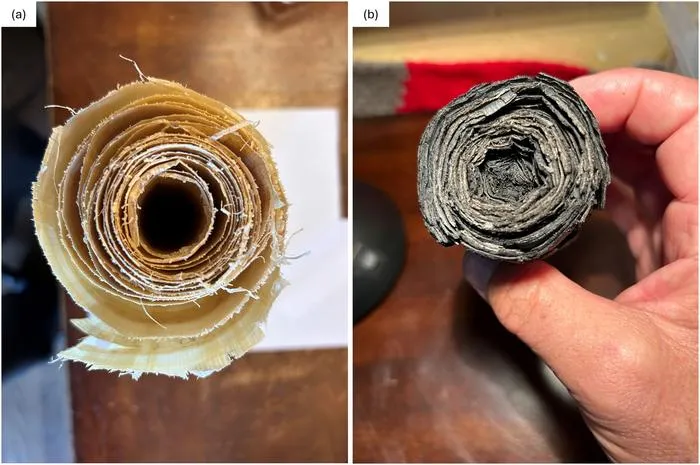
AI and X-ray Imaging Reveal Lost Texts in Ancient Roman Scrolls
AI and x-ray technology enable scientists to virtually read previously unreadable, carbonized Roman scrolls from Herculaneum.

•EurekAlert
AI’s Potential to Expand, Not Shrink, the Clinical Workforce
AI advancements may lead to more, not fewer, healthcare jobs, challenging common fears about workforce reductions in specialties like radiology.