
Johns Hopkins and FDA researchers unveil G-AUDIT, a tool to identify hidden biases in medical AI datasets before model training.
Key Details
- 1G-AUDIT systematically scans training data to find non-clinical cues and spurious correlations.
- 2Developed in collaboration with Johns Hopkins University and the US FDA.
- 3Published in npj Digital Medicine (DOI: 10.1038/s41746-026-02807-y).
- 4The tool was tested on multiple data types including images, text, and spreadsheets.
- 5Revealed how dataset quirks (like camera quality or ruler presence) can bias AI models.
- 6Aims to shift quality control to pre-training data review, instead of post-hoc model auditing.
Why It Matters
Bias in AI training data can lead to inaccurate and potentially harmful clinical predictions, especially in radiology and other imaging specialties. Early detection of such biases strengthens trust in AI tools and improves patient care by ensuring more robust, generalizable models.

Source
EurekAlert
Related News
•EurekAlert
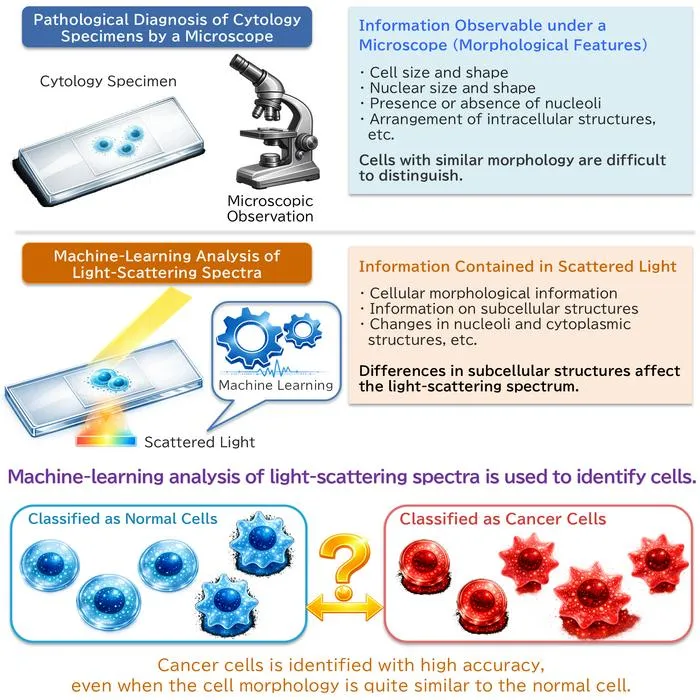
AI System Enhances Cancer Cell Detection via Light Scattering Spectra
Japanese researchers developed an AI system using light scattering spectra to improve cancer cell identification in cytology.

•EurekAlert
AI and X-ray Imaging Reveal Lost Texts in Ancient Roman Scrolls
AI and x-ray technology enable scientists to virtually read previously unreadable, carbonized Roman scrolls from Herculaneum.

•EurekAlert
AI’s Potential to Expand, Not Shrink, the Clinical Workforce
AI advancements may lead to more, not fewer, healthcare jobs, challenging common fears about workforce reductions in specialties like radiology.