
Researchers unveil a new 'Centered Daydreaming' algorithm enabling AI to effectively learn and recall from imbalanced, real-world image data.
Key Details
- 1The Daydreaming algorithm, inspired by sleep-memory consolidation in biological brains, improves Hopfield network storage capacity up to the theoretical maximum.
- 2Original version struggled with heavily biased or unbalanced real-world image data (e.g., mostly white or black pixels).
- 3The new 'Centered Daydreaming' approach focuses on local differences rather than absolute values, enhancing performance with realistic data.
- 4Published in the Journal of Statistical Mechanics: Theory and Experiment (July 15, 2026).
- 5The update maintains effective associative memory performance even when data distributions are heavily skewed.
Why It Matters
Handling biased or imbalanced image data is a core challenge in applying neural networks to medical imaging, where real scans often deviate from ideal distributions. Biologically inspired improvements like this could increase reliability, interpretability, and efficiency of future AI models for radiology.

Source
EurekAlert
Related News
•EurekAlert
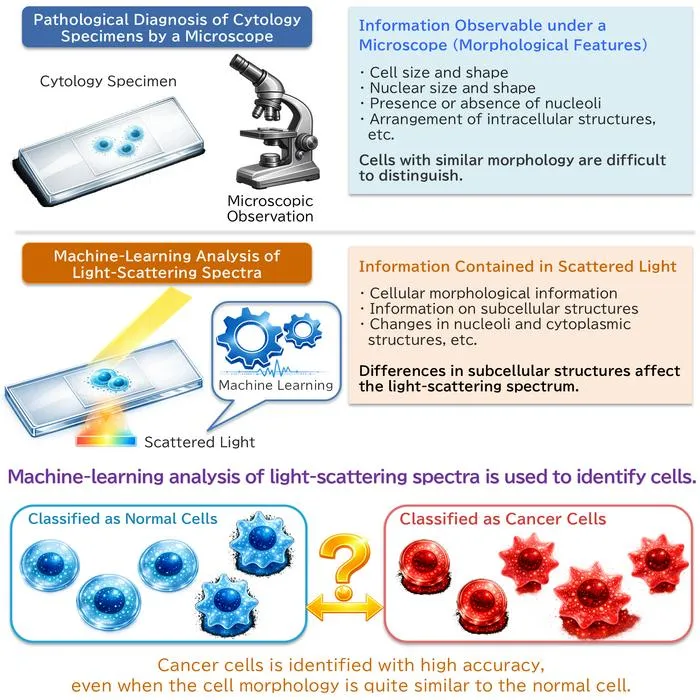
AI System Enhances Cancer Cell Detection via Light Scattering Spectra
Japanese researchers developed an AI system using light scattering spectra to improve cancer cell identification in cytology.
•EurekAlert
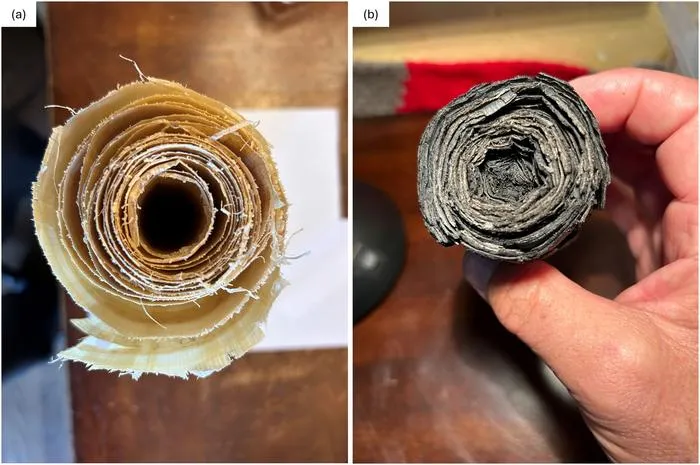
AI and X-ray Imaging Reveal Lost Texts in Ancient Roman Scrolls
AI and x-ray technology enable scientists to virtually read previously unreadable, carbonized Roman scrolls from Herculaneum.

•EurekAlert
AI’s Potential to Expand, Not Shrink, the Clinical Workforce
AI advancements may lead to more, not fewer, healthcare jobs, challenging common fears about workforce reductions in specialties like radiology.