
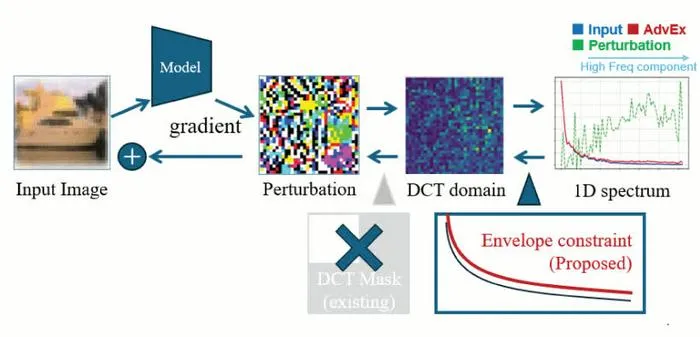
Japanese researchers introduce IFAP, a new technique that generates natural-looking adversarial images to more effectively test and improve AI vision systems.
Key Details
- 1IFAP aligns adversarial noise with an image's spectral characteristics for realistic perturbations.
- 2Method tested on multiple datasets, outperforming previous adversarial techniques in both subtlety and effectiveness.
- 3A new metric, Frequency Cosine Similarity (Freq_Cossim), assesses frequency fidelity of perturbations.
- 4IFAP-perturbed images are harder for standard defense mechanisms (like JPEG compression) to neutralize.
- 5Study published in IEEE Access volume 13, with detailed author and funding disclosure.
- 6Authors highlight importance for robust AI in critical domains, including medical diagnosis.
Why It Matters
Better adversarial example generation directly supports development of more robust, reliable AI models in radiology and imaging, helping safeguard against mistakes from subtle image manipulations. This new approach may help set future evaluation standards within medical imaging AI security.

Source
EurekAlert
Related News
•EurekAlert
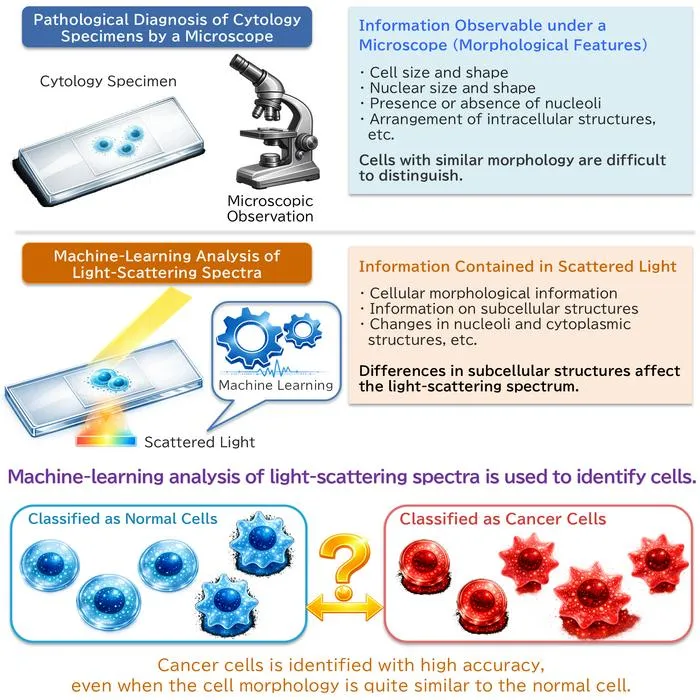
AI System Enhances Cancer Cell Detection via Light Scattering Spectra
Japanese researchers developed an AI system using light scattering spectra to improve cancer cell identification in cytology.
•EurekAlert
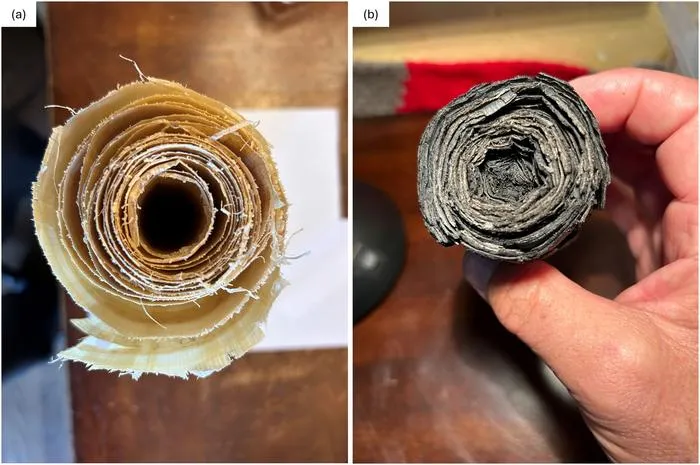
AI and X-ray Imaging Reveal Lost Texts in Ancient Roman Scrolls
AI and x-ray technology enable scientists to virtually read previously unreadable, carbonized Roman scrolls from Herculaneum.

•EurekAlert
AI’s Potential to Expand, Not Shrink, the Clinical Workforce
AI advancements may lead to more, not fewer, healthcare jobs, challenging common fears about workforce reductions in specialties like radiology.