
Mount Sinai has developed a machine learning model forecasting the cardiovascular risk impact of CPAP in obstructive sleep apnea patients.
Key Details
- 1Mount Sinai team used machine learning to analyze data from over 2,600 patients in the SAVE trial.
- 2The model estimates whether CPAP usage will benefit or harm individual cardiovascular risk profiles.
- 3Substantial differences in treatment response were discovered across patient subgroups, with up to 100-fold differences in outcomes.
- 4Model is based on 23 selected baseline predictors from over 100 sleep and health variables.
- 5Findings highlight potential for precision medicine in treating sleep apnea and associated cardiovascular risks.
Why It Matters
This study marks a step towards personalized medicine using AI, supporting tailored treatment plans in sleep medicine and cardiovascular disease. The approach underscores the value of advanced analytics in stratifying risk and improving patient outcomes, reflecting broader trends toward individualized AI-powered decision support in clinical settings.

Source
EurekAlert
Related News
•EurekAlert
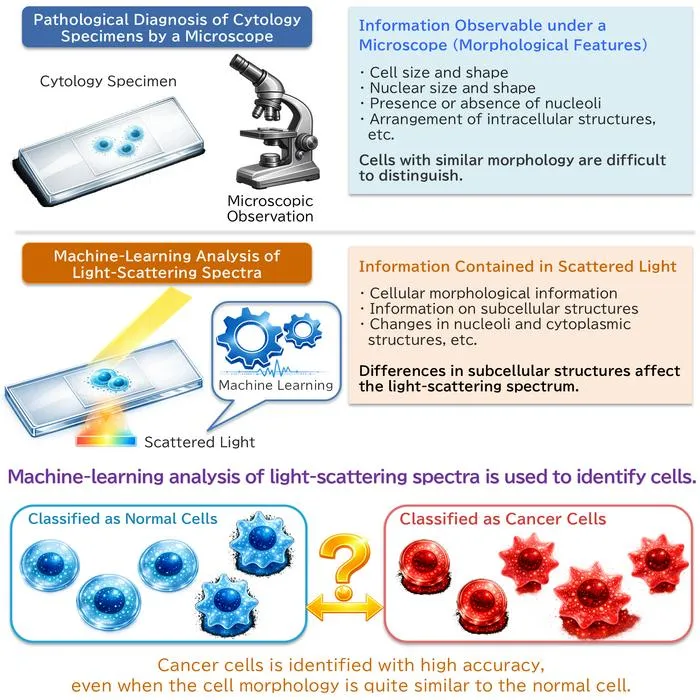
AI System Enhances Cancer Cell Detection via Light Scattering Spectra
Japanese researchers developed an AI system using light scattering spectra to improve cancer cell identification in cytology.
•EurekAlert
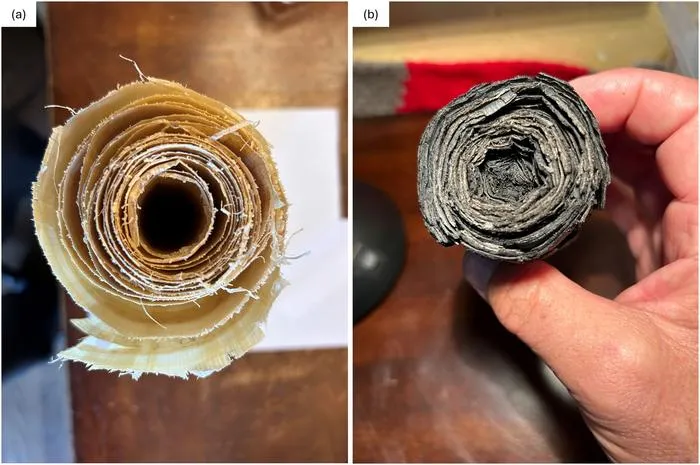
AI and X-ray Imaging Reveal Lost Texts in Ancient Roman Scrolls
AI and x-ray technology enable scientists to virtually read previously unreadable, carbonized Roman scrolls from Herculaneum.

•EurekAlert
AI’s Potential to Expand, Not Shrink, the Clinical Workforce
AI advancements may lead to more, not fewer, healthcare jobs, challenging common fears about workforce reductions in specialties like radiology.