

The BiliSeq molecular test developed at UPMC doubled detection sensitivity for bile duct cancer compared to standard pathology.
Key Details
- 1BiliSeq detected 82% of bile duct cancers vs. 44% with pathology alone in a six-year, multi-center study of over 2,000 patients.
- 2Combining BiliSeq with pathology increased detection up to 90% while minimizing false positives for benign disease.
- 3The test identifies actionable genetic mutations in about 20% of patients, informing care changes in nearly a third of those cases.
- 4BiliSeq maintains high performance in at-risk subgroups, detecting up to 86% of cancers in high-risk patients like those with PSC.
- 5Results have direct implications for diagnosis clarification and treatment—including transplant decisions—where imaging and standard biopsies often fail.
Why It Matters
This study demonstrates transformative potential for molecular diagnostics to support radiology and pathology in challenging cancer cases, reducing uncertainty for clinicians and patients. Enhanced diagnostic accuracy may lead to faster, more tailored interventions, especially in hard-to-assess biliary cancers.

Source
EurekAlert
Related News
•EurekAlert
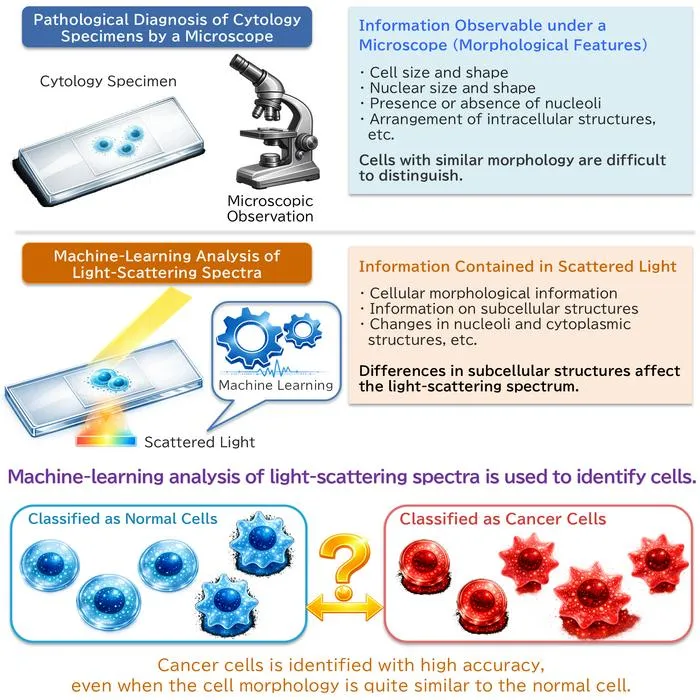
AI System Enhances Cancer Cell Detection via Light Scattering Spectra
Japanese researchers developed an AI system using light scattering spectra to improve cancer cell identification in cytology.
•EurekAlert
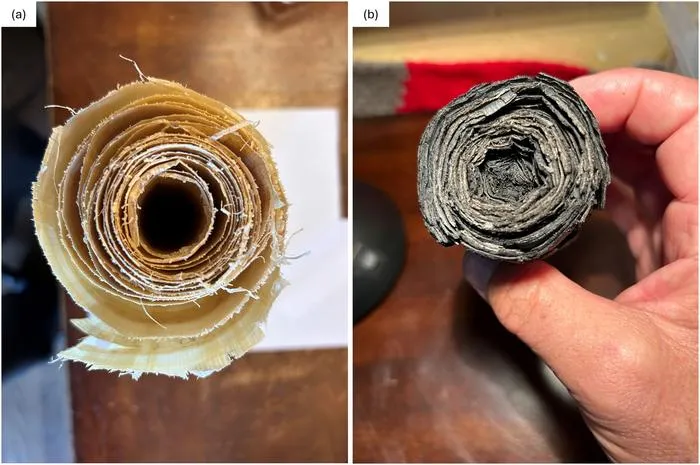
AI and X-ray Imaging Reveal Lost Texts in Ancient Roman Scrolls
AI and x-ray technology enable scientists to virtually read previously unreadable, carbonized Roman scrolls from Herculaneum.

•EurekAlert
AI’s Potential to Expand, Not Shrink, the Clinical Workforce
AI advancements may lead to more, not fewer, healthcare jobs, challenging common fears about workforce reductions in specialties like radiology.