
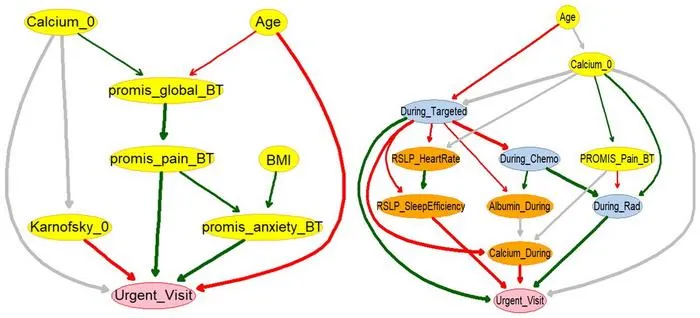
Moffitt Cancer Center researchers created machine learning models that use patient-reported outcomes and wearable data to predict urgent care visits for non-small cell lung cancer patients.
Key Details
- 1Machine learning models incorporated wearable sensor data (Fitbit) and quality-of-life surveys from 58 non–small cell lung cancer patients.
- 2Models using patient-reported and wearable data outperformed those using only clinical/demographic data in predicting urgent care visits during systemic therapy.
- 3Researchers employed explainable Bayesian Networks, revealing how symptom, sleep, and lab data affect risk.
- 4Study highlights potential to proactively intervene and prevent hospitalizations due to treatment complications.
- 5This was a single-center study with a modest sample; larger validation is planned.
Why It Matters
Integrating diverse patient-originated health data with explainable AI models could transform personalized cancer care by allowing real-time identification of high-risk patients and early intervention, potentially preventing costly or harmful acute events. Such approaches expand the role of AI in predictive analytics for oncology.

Source
EurekAlert
Related News
•EurekAlert
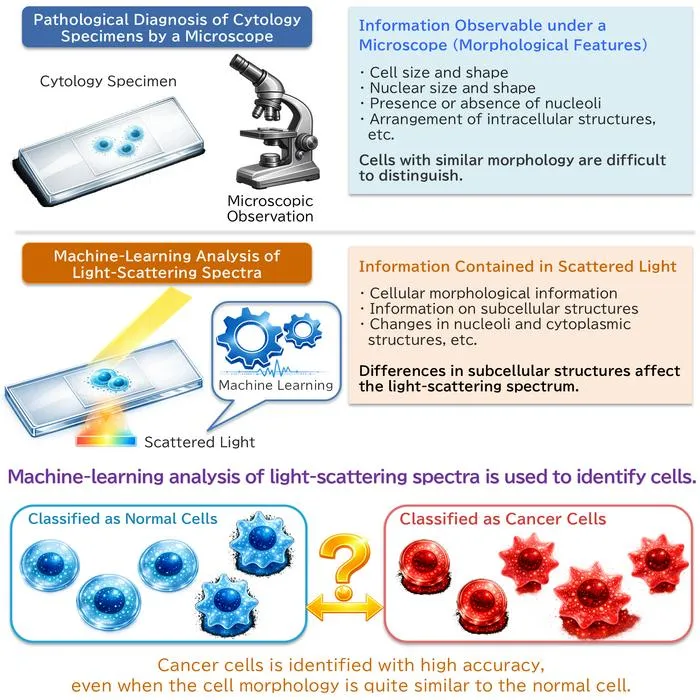
AI System Enhances Cancer Cell Detection via Light Scattering Spectra
Japanese researchers developed an AI system using light scattering spectra to improve cancer cell identification in cytology.
•EurekAlert
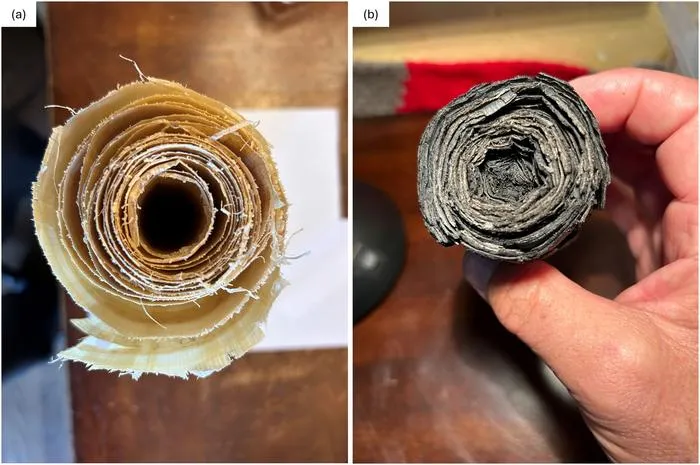
AI and X-ray Imaging Reveal Lost Texts in Ancient Roman Scrolls
AI and x-ray technology enable scientists to virtually read previously unreadable, carbonized Roman scrolls from Herculaneum.

•EurekAlert
AI’s Potential to Expand, Not Shrink, the Clinical Workforce
AI advancements may lead to more, not fewer, healthcare jobs, challenging common fears about workforce reductions in specialties like radiology.