
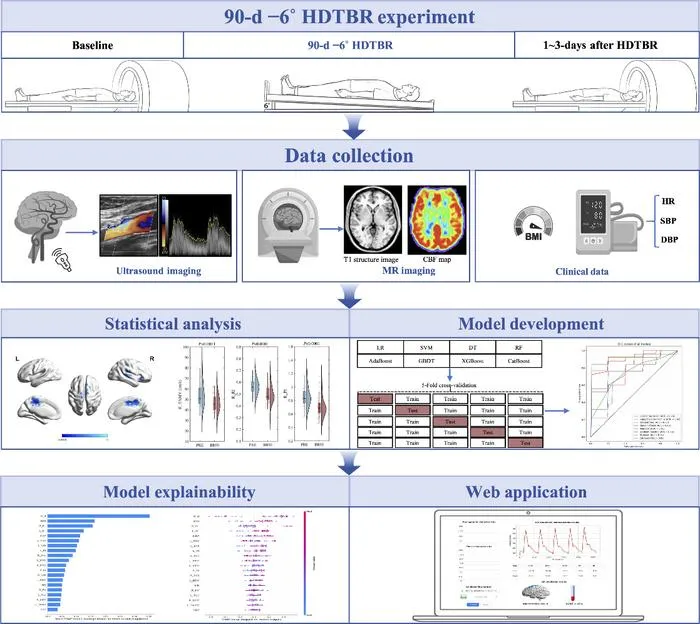
Researchers developed a machine learning model that uses ultrasound and MRI data to predict cerebral blood flow in simulated microgravity for astronaut health.
Key Details
- 1Study used 36 healthy male participants in a 90-day head-down tilt bed rest (HDTBR) to simulate microgravity.
- 2Multimodal data collected included carotid Doppler ultrasound, 3D-pCASL brain MRI, and clinical metrics.
- 3Eight machine learning models tested; CatBoost delivered the best predictive performance (AUCs up to 0.92, accuracy up to 0.84).
- 4Model features were interpreted using SHAP, identifying BMI, ICA pulsatility index, and blood flow volume as top predictors.
- 5A web application was developed for real-time CBF prediction using clinical and ultrasound data, intended for spaceflight use.
- 6Limitations include exclusion of vertebral artery flow data and a male-only cohort.
Why It Matters
This ML-driven, imaging-integrated approach advances lightweight, non-invasive cerebral blood flow monitoring in space, potentially improving astronaut neurological care and illustrating cross-modal AI application in radiology. It also underscores the growing relevance of explainable AI and real-world deployment via web tools.

Source
EurekAlert
Related News
•EurekAlert
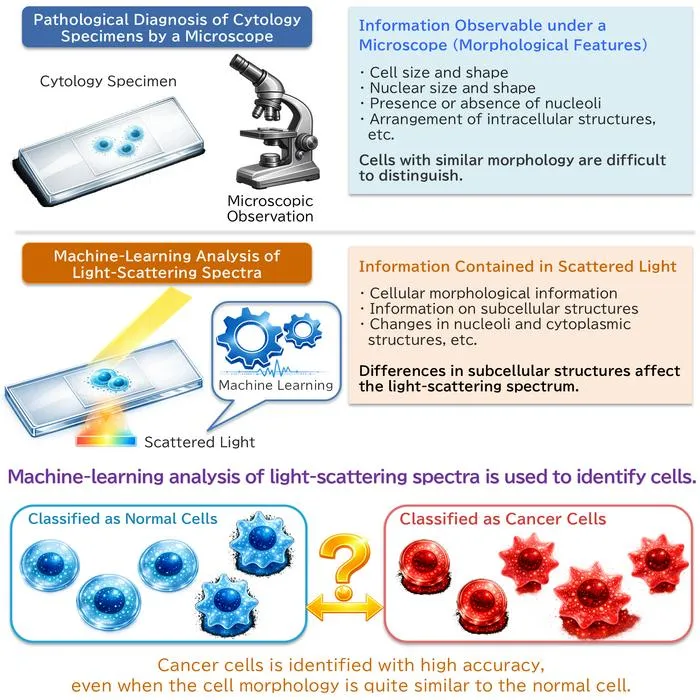
AI System Enhances Cancer Cell Detection via Light Scattering Spectra
Japanese researchers developed an AI system using light scattering spectra to improve cancer cell identification in cytology.
•EurekAlert
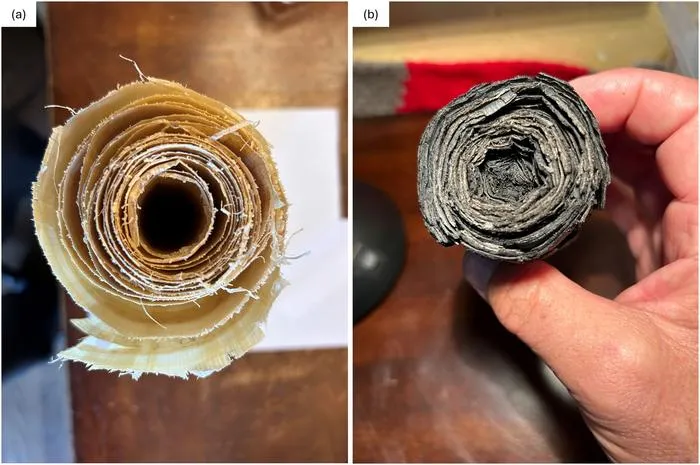
AI and X-ray Imaging Reveal Lost Texts in Ancient Roman Scrolls
AI and x-ray technology enable scientists to virtually read previously unreadable, carbonized Roman scrolls from Herculaneum.

•EurekAlert
AI’s Potential to Expand, Not Shrink, the Clinical Workforce
AI advancements may lead to more, not fewer, healthcare jobs, challenging common fears about workforce reductions in specialties like radiology.