
MIT and collaborators developed a technique to make computer vision models, including those used in medical imaging, provide clearer, concept-based explanations for their predictions.
Key Details
- 1The new method extracts and uses concepts learned by the model during training for explanations, instead of relying solely on human-defined concepts.
- 2A sparse autoencoder and multimodal large language model are used to extract and describe these concepts in plain language.
- 3The approach limits the model to using five concepts per prediction for clarity and relevance.
- 4Compared to state-of-the-art concept bottleneck models (CBMs), this technique achieved higher accuracy and more precise explanations in tasks including medical image diagnosis.
- 5The research will be presented at the International Conference on Learning Representations, with future plans to scale the approach and address information leakage.
Why It Matters
Improved explainability is critical for the adoption and trust of AI models in medical diagnostics, where human-understandable reasoning can support clinicians' decision-making. Techniques that balance accuracy with transparency help meet regulatory and ethical demands in radiology AI.

Source
EurekAlert
Related News
•EurekAlert
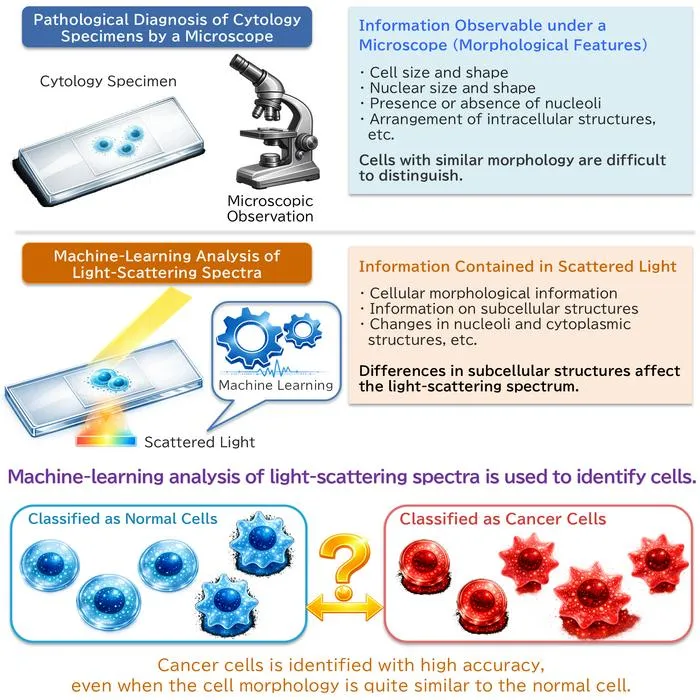
AI System Enhances Cancer Cell Detection via Light Scattering Spectra
Japanese researchers developed an AI system using light scattering spectra to improve cancer cell identification in cytology.
•EurekAlert
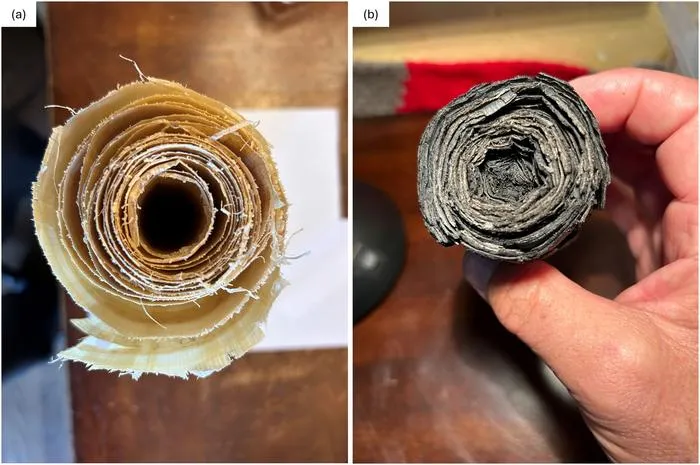
AI and X-ray Imaging Reveal Lost Texts in Ancient Roman Scrolls
AI and x-ray technology enable scientists to virtually read previously unreadable, carbonized Roman scrolls from Herculaneum.

•EurekAlert
AI’s Potential to Expand, Not Shrink, the Clinical Workforce
AI advancements may lead to more, not fewer, healthcare jobs, challenging common fears about workforce reductions in specialties like radiology.