
MIT and Microsoft researchers created an AI model to design peptide-based sensors for ultra-early cancer detection by detecting cancer-specific enzymes.
Key Details
- 1The AI model, CleaveNet, rapidly designs peptides that are efficiently and specifically cleaved by cancer-linked proteases.
- 2Nanoparticles coated with these peptides serve as in vivo sensors, releasing detectable signals in urine if target proteases are present.
- 3This approach allows non-invasive at-home cancer screening, potentially detecting and distinguishing between up to 30 cancer types.
- 4The AI-enabled sensors demonstrated high specificity for proteases such as MMP13, linked to cancer metastasis.
- 5The research appears in Nature Communications (DOI: 10.1038/s41467-025-67226-1) and is supported by ARPA-H and several foundations.
Why It Matters
AI-guided molecular sensing represents a major step towards ultra-early, highly specific cancer detection, expanding the toolkit for noninvasive diagnostics. This molecular AI approach may complement or ultimately integrate with radiology and imaging AI, enhancing multidisciplinary cancer care and research in biomarkers.

Source
EurekAlert
Related News
•EurekAlert
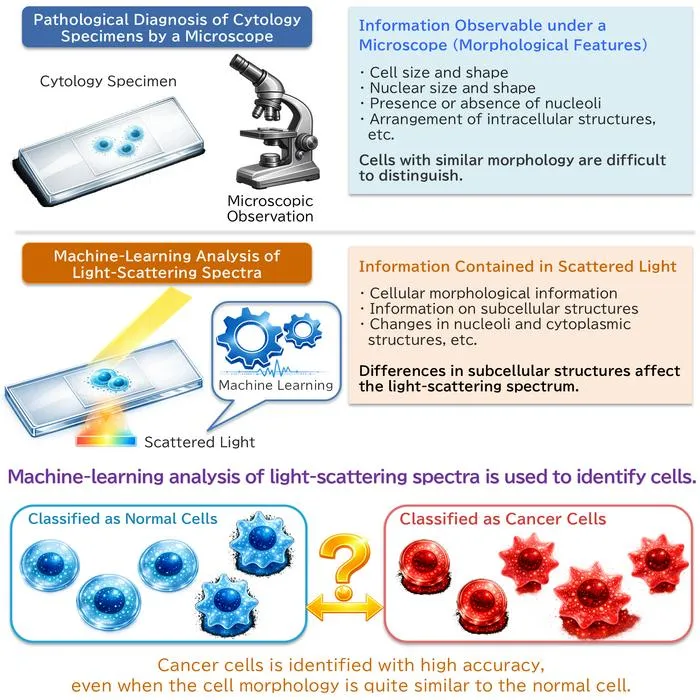
AI System Enhances Cancer Cell Detection via Light Scattering Spectra
Japanese researchers developed an AI system using light scattering spectra to improve cancer cell identification in cytology.
•EurekAlert
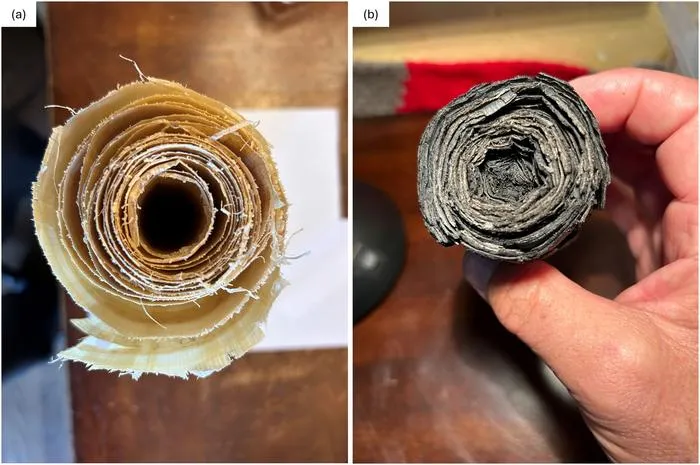
AI and X-ray Imaging Reveal Lost Texts in Ancient Roman Scrolls
AI and x-ray technology enable scientists to virtually read previously unreadable, carbonized Roman scrolls from Herculaneum.

•EurekAlert
AI’s Potential to Expand, Not Shrink, the Clinical Workforce
AI advancements may lead to more, not fewer, healthcare jobs, challenging common fears about workforce reductions in specialties like radiology.