
MD Anderson reports breakthroughs in cancer therapeutics and provides critical insights into AI models for genomic analysis.
Key Details
- 1HER2-targeted antibody zanidatamab showed a 41.3% objective response rate and 15.5-month median response duration in biliary tract cancer (BTC) patients.
- 2Identified protein RASH3D19 as a resistance driver in KRAS-mutant cancers; blocking it enhances KRAS inhibitor efficacy in preclinical models.
- 3Study found DNA rigidity affects nucleosome positioning, altering gene expression mechanisms.
- 4Discovery of 'myeloid mimicry' as a driver of hyperprogression post-immunotherapy in renal medullary carcinoma, identifying new therapeutic targets.
- 5Comprehensive benchmarking study of five AI DNA language models highlights model selection criteria for genomic analysis and potential clinical decision-support.
Why It Matters
Advances in AI for genomic sequencing and decision-making directly support personalized medicine and can inform imaging AI applications. These findings could influence future clinical workflows, diagnostics, and treatment planning in radiology and oncology.

Source
EurekAlert
Related News
•EurekAlert
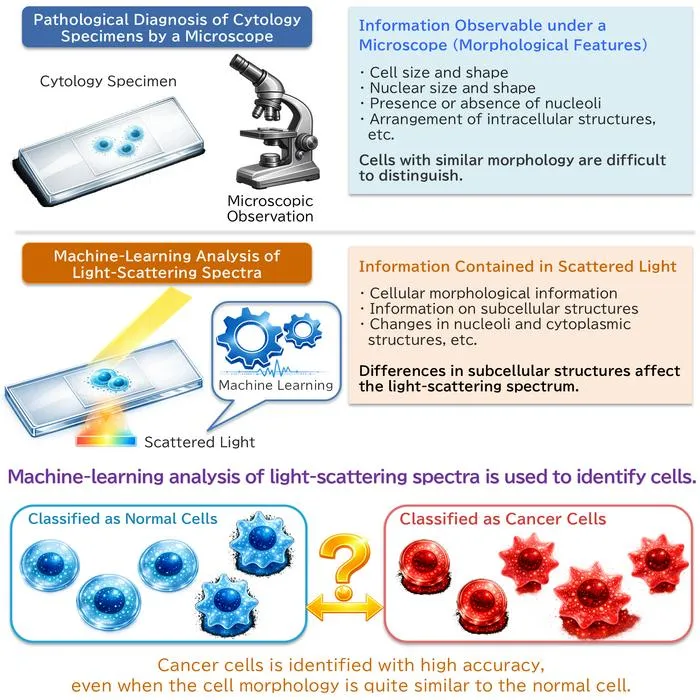
AI System Enhances Cancer Cell Detection via Light Scattering Spectra
Japanese researchers developed an AI system using light scattering spectra to improve cancer cell identification in cytology.
•EurekAlert
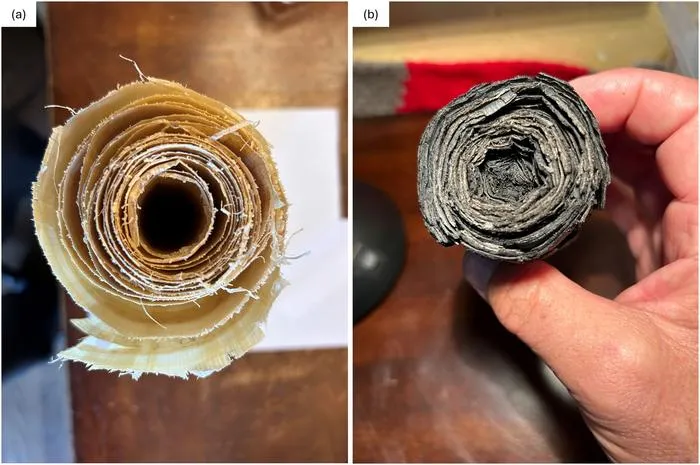
AI and X-ray Imaging Reveal Lost Texts in Ancient Roman Scrolls
AI and x-ray technology enable scientists to virtually read previously unreadable, carbonized Roman scrolls from Herculaneum.
•EurekAlert
AI’s Potential to Expand, Not Shrink, the Clinical Workforce
AI advancements may lead to more, not fewer, healthcare jobs, challenging common fears about workforce reductions in specialties like radiology.