
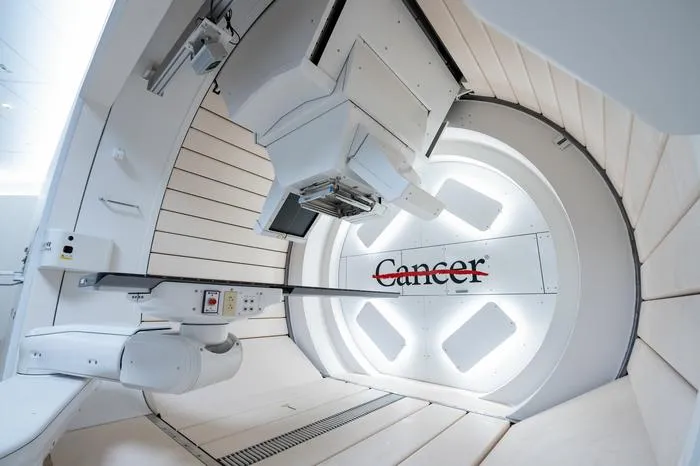
MD Anderson experts discuss advances in imaging AI, biomarkers, and proton therapy ahead of the 2025 ASTRO meeting.
Key Details
- 1AI tools are advancing early detection in medical imaging, including lymph node metastases previously missed by standard diagnostics.
- 2Proton therapy is becoming more widespread, with phase III trials (e.g., 440 oropharyngeal cancer patients) showing reduced toxicities versus traditional radiation.
- 3Biomarker research is personalizing prostate cancer care, such as the NRG GU006 trial using genomic tools.
- 4Theranostics and radiopharmaceuticals, like FDA-approved Pluvicto, are expanding from localized to systemic radiation treatments.
- 5MD Anderson researchers are presenting over 65 abstracts at ASTRO covering these innovations.
Why It Matters
AI's integration into medical imaging is quickly improving diagnostic accuracy and treatment personalization in oncology. These advances—especially in clinical trials and real-world applications—are set to directly impact radiology workflows and patient outcomes.

Source
EurekAlert
Related News
•EurekAlert
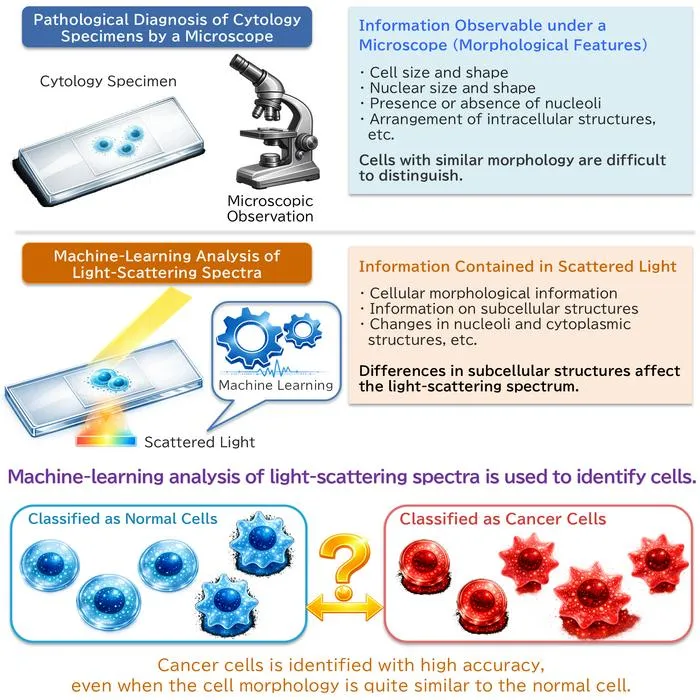
AI System Enhances Cancer Cell Detection via Light Scattering Spectra
Japanese researchers developed an AI system using light scattering spectra to improve cancer cell identification in cytology.
•EurekAlert
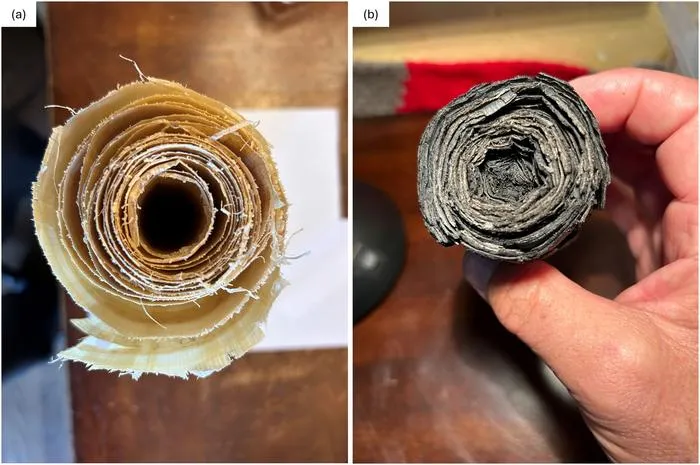
AI and X-ray Imaging Reveal Lost Texts in Ancient Roman Scrolls
AI and x-ray technology enable scientists to virtually read previously unreadable, carbonized Roman scrolls from Herculaneum.

•EurekAlert
AI’s Potential to Expand, Not Shrink, the Clinical Workforce
AI advancements may lead to more, not fewer, healthcare jobs, challenging common fears about workforce reductions in specialties like radiology.