
An AI model developed at Mayo Clinic accurately predicts pancreatic cancer risk up to three years before diagnosis using longitudinal health data.
Key Details
- 1The AI model analyzed health records and lab results from nearly 40,000 patients.
- 2Validation included 6,066 pancreatic cancer cases and 33,396 controls, with 7.5 to 19 years of data.
- 3Model achieved AUROC of 0.853 and AUPRC of 0.712 for predicting risk three years out.
- 4Users with >50% model-predicted risk had an 88% chance of diagnosis within one year.
- 5The tool is being prospectively validated at Mayo and tested in a non-Mayo health system.
- 6Results will be presented at ACS Clinical Congress 2026; study is not yet peer reviewed.
Why It Matters
Early and accurate risk prediction for pancreatic cancer could transform screening, offering a major advance in catching a deadly cancer while still curable. The study demonstrates practical, large-scale AI integration into EHR-driven screening, with models designed for real-world hospital settings.

Source
EurekAlert
Related News

•EurekAlert
AI Combines CT and Pathology to Predict Esophageal Cancer Survival
A new AI framework (MENISA) combines CT scans, digital pathology, and tumor microenvironment data to predict survival risk for esophageal squamous cell carcinoma.
•EurekAlert
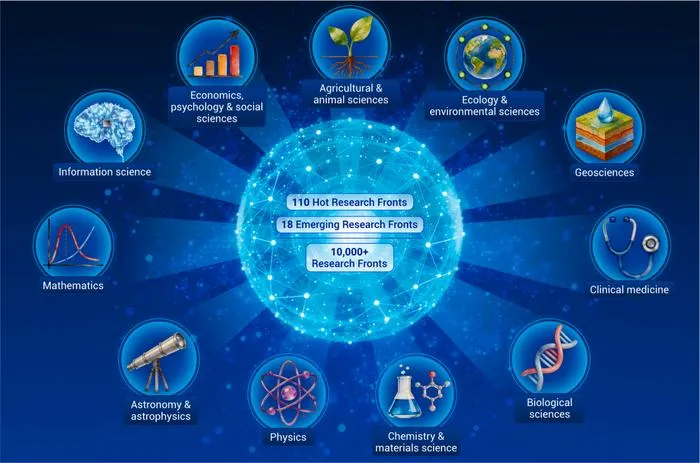
AI Now Drives Major Advances Across Scientific Fields, Report Finds
A comprehensive global analysis reveals AI as a cross-disciplinary engine, notably powering radiology and diagnostic innovations.
•EurekAlert
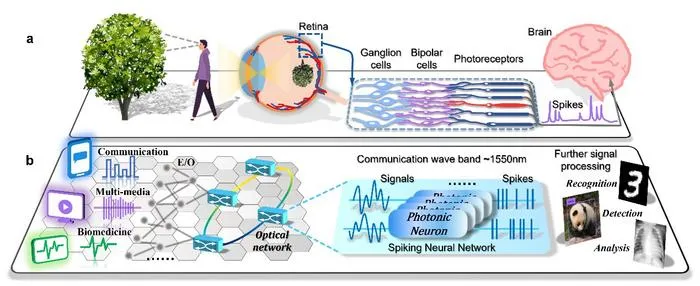
Photonic Encoder Transforms Medical Signals for Ultrafast AI Diagnosis
Researchers created a fiber-compatible, all-optical biomimetic spike encoder enabling rapid, precise conversion of medical signals for neuromorphic analysis.