
A UCL-led study identifies significant challenges in deploying AI tools for chest diagnostics across NHS hospitals in England.
Key Details
- 1The study analysed procurement and deployment of AI chest diagnostic tools (X-ray/CT) in 66 NHS hospital trusts.
- 2Delays were significant: by June 2025, one-third of trusts (23/66) had not yet implemented the tools clinically, 18 months after planned completion.
- 3Key hurdles included complex governance, lengthy contracts (4–10 months longer than expected), staff workload, outdated IT systems, and clinician skepticism toward AI.
- 4Enablers included strong national leadership, local network collaboration, and dedicated project management.
- 5The study recommends more targeted staff training and ongoing project management support for future AI rollouts.
Why It Matters
This study provides real-world evidence of the operational, technical, and human challenges faced in scaling AI for radiology in major health systems. Understanding these obstacles is crucial for radiology departments, policymakers, and technology vendors aiming to translate AI from pilot projects into routine clinical practice.

Source
EurekAlert
Related News
•EurekAlert
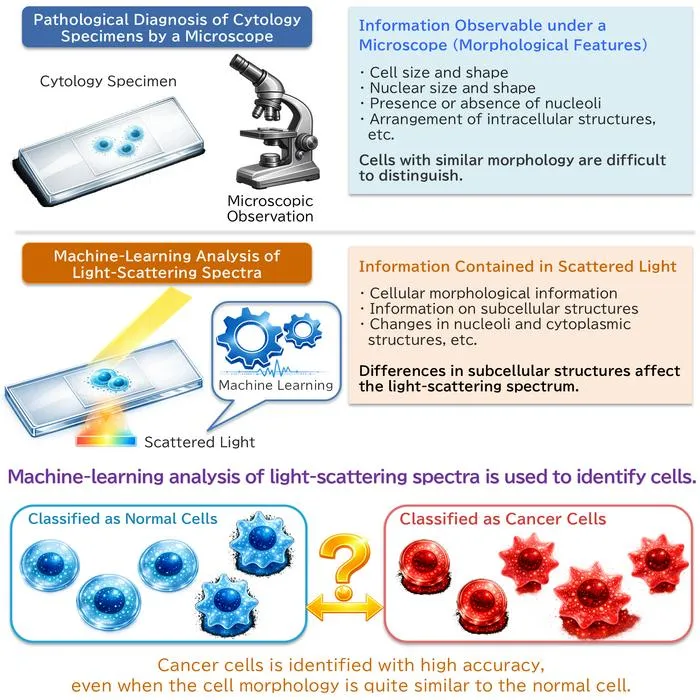
AI System Enhances Cancer Cell Detection via Light Scattering Spectra
Japanese researchers developed an AI system using light scattering spectra to improve cancer cell identification in cytology.
•EurekAlert
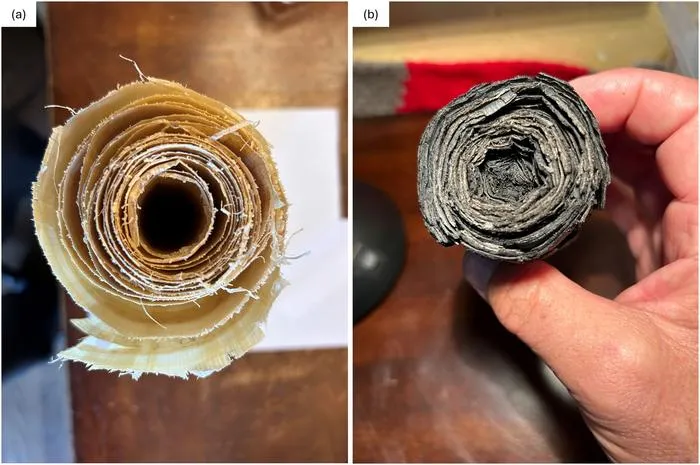
AI and X-ray Imaging Reveal Lost Texts in Ancient Roman Scrolls
AI and x-ray technology enable scientists to virtually read previously unreadable, carbonized Roman scrolls from Herculaneum.

•EurekAlert
AI’s Potential to Expand, Not Shrink, the Clinical Workforce
AI advancements may lead to more, not fewer, healthcare jobs, challenging common fears about workforce reductions in specialties like radiology.