
New machine-learning models outperform traditional risk scores for predicting mortality after a heart attack.
Key Details
- 1PERISCOPE machine-learning models developed to predict in-hospital and six-month mortality post-STEMI (heart attack) after PCI.
- 2Models trained on US PREMIER PINC AI data (n=38,489), tested on TriNetX (n=119,035), and validated on Amsterdam UMC data (n=6,776).
- 3PERISCOPE models consistently outperformed the GRACE 2.0 score across three diverse datasets.
- 4In-hospital mortality rates ranged 6.6%-9.9%; six-month mortality rates 11.4%-23.7%.
- 5Researchers concluded models have good generalisability but require further prospective studies before clinical adoption.
Why It Matters
Accurate machine-learning prediction models for post-heart attack mortality could transform risk stratification, resource allocation, and patient follow-up decisions in clinical cardiology. Integration of validated AI models into care pathways may lead to improved patient outcomes and more efficient healthcare delivery.

Source
EurekAlert
Related News

•EurekAlert
AI Heart Age Estimate from Ultrasound Predicts Long-Term Cardiovascular and Dementia Risk
AI-derived heart age from echocardiography images exceeds actual age: linked with higher cardiovascular and dementia mortality over 20 years.
•EurekAlert
MRI Study Reveals Disease Epicenters Driving Atrophy in Multiple Sclerosis
Large-scale MRI analysis identifies specific brain regions acting as epicenters of atrophy in multiple sclerosis patients.
•EurekAlert
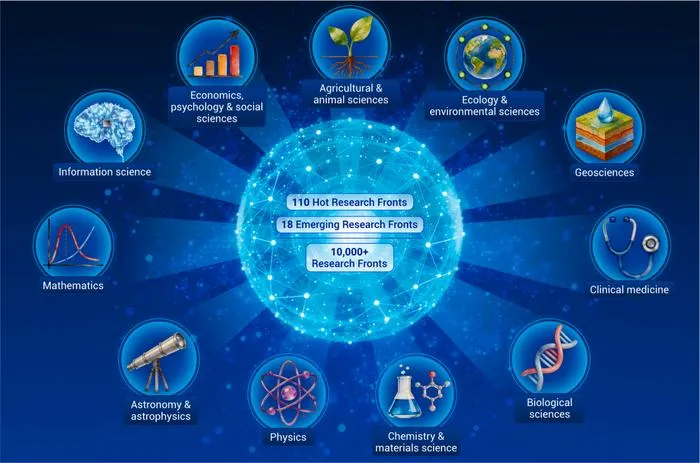
AI Now Drives Major Advances Across Scientific Fields, Report Finds
A comprehensive global analysis reveals AI as a cross-disciplinary engine, notably powering radiology and diagnostic innovations.