
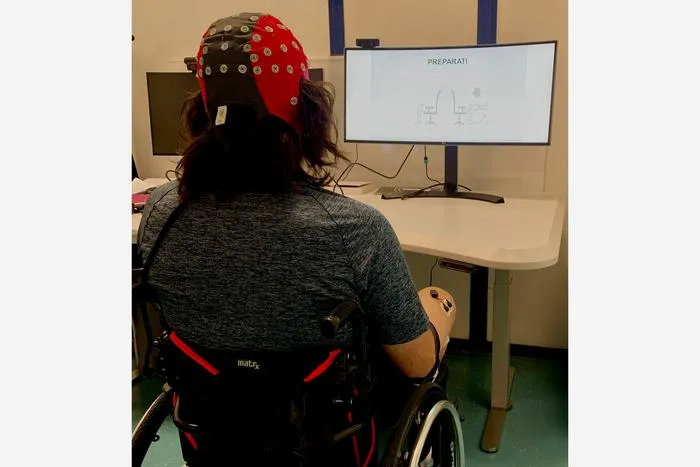
Researchers use EEG and AI to differentiate attempted limb movements in paralyzed patients.
Key Details
- 1Study conducted by Italian and Swiss universities, published in APL Bioengineering.
- 2EEG signals from paralyzed individuals were captured during attempted limb movements.
- 3A machine learning algorithm was used to classify brain signals associated with movement attempts.
- 4The study successfully distinguished between attempted movement and rest, but struggled to differentiate specific movement types.
- 5Noninvasive EEG was preferred over surgical electrode implantation due to lower risk.
Why It Matters
This research demonstrates the potential for noninvasive neuroimaging combined with AI to restore motor control in spinal cord injury patients. Advancing EEG- and AI-driven brain–computer interfaces could offer safer and more accessible solutions for neurorehabilitation.

Source
EurekAlert
Related News
•EurekAlert
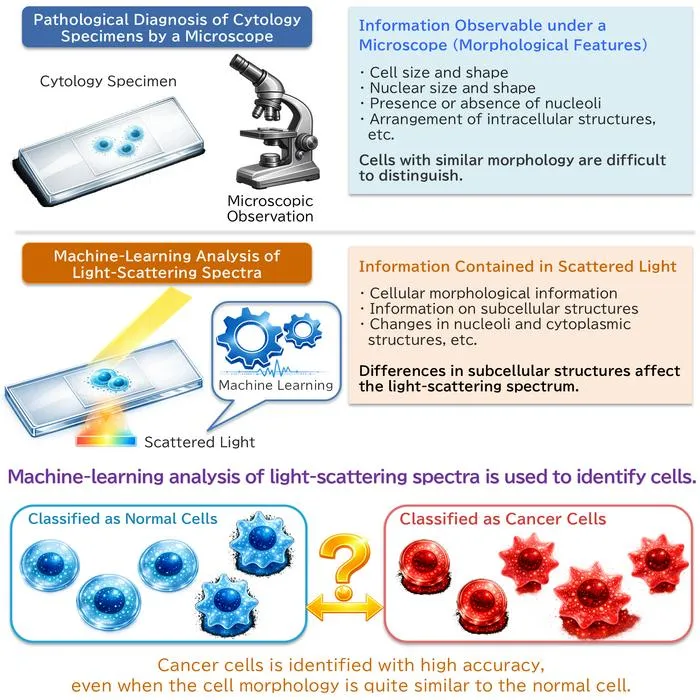
AI System Enhances Cancer Cell Detection via Light Scattering Spectra
Japanese researchers developed an AI system using light scattering spectra to improve cancer cell identification in cytology.
•EurekAlert
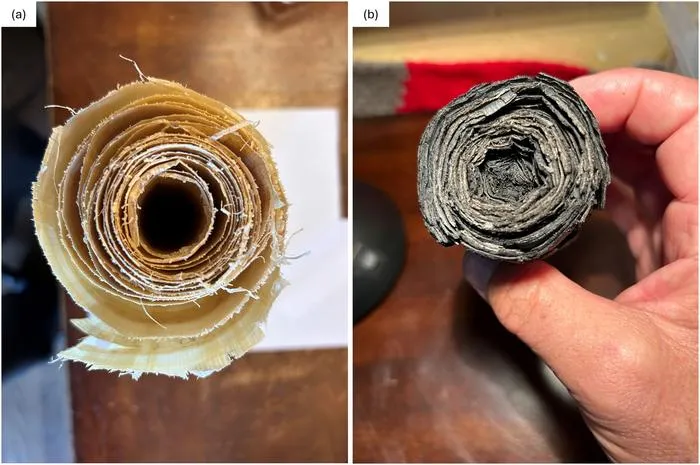
AI and X-ray Imaging Reveal Lost Texts in Ancient Roman Scrolls
AI and x-ray technology enable scientists to virtually read previously unreadable, carbonized Roman scrolls from Herculaneum.

•EurekAlert
AI’s Potential to Expand, Not Shrink, the Clinical Workforce
AI advancements may lead to more, not fewer, healthcare jobs, challenging common fears about workforce reductions in specialties like radiology.